
A cup of bubble tea carries as much sugar as a can of cola
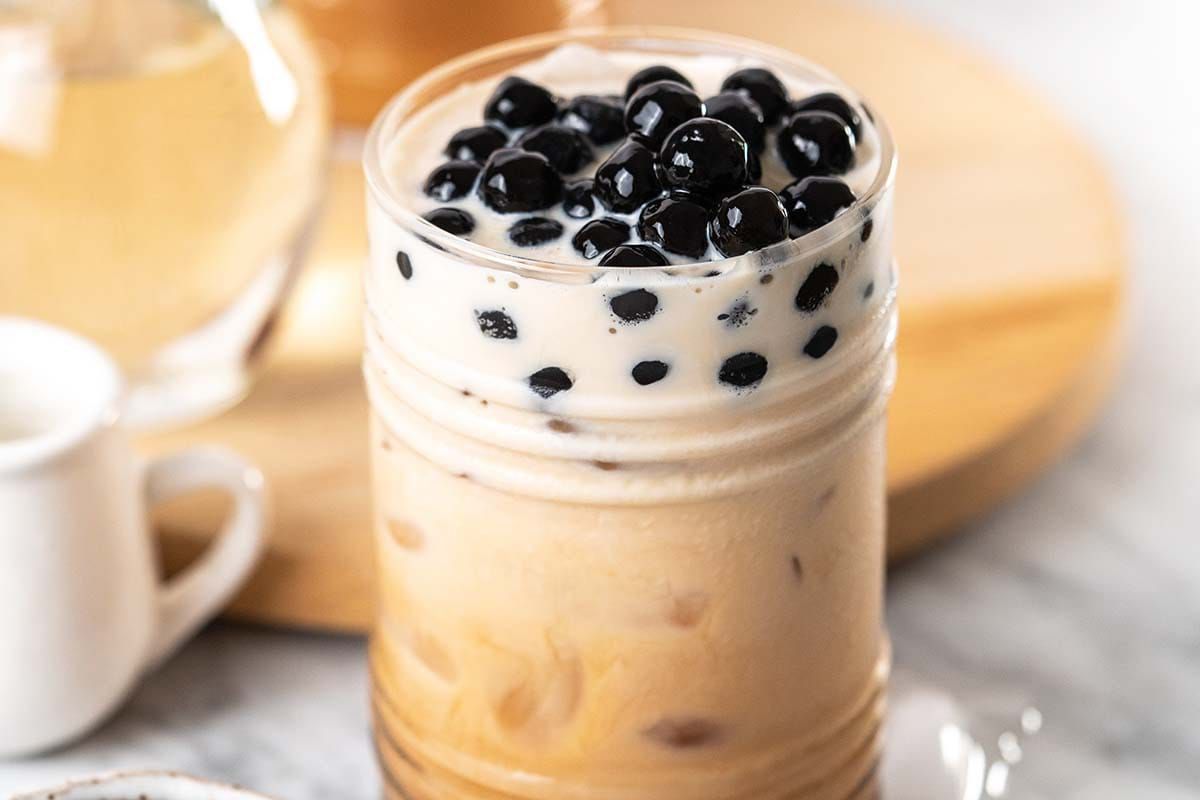
A standard bubble tea, around 475 millilitres of sweetened milk tea with tapioca pearls, holds close to 38 grams of sugar, roughly the same as a can of cola and enough to use up an adult's entire daily allowance of added sugar in a single drink. The pearls are the hidden half of that sum, soaked in syrup before they reach the cup, which is why ordering at half sugar still lands high and why a large size with extra toppings can climb past a hundred grams.
A drink with a generation attached
Bubble tea began in Taiwan in the 1980s and spread through Asia before reaching Europe and the Gulf, and a survey found that 94 per cent of young adults aged 20 to 24 had bought one in the previous three months. The same wave of social media street food now fills Tunis cafés alongside fluffy pancakes and corn dogs, all of it photogenic, shareable and built for the feed. A cup runs around five euros in most European cities, which makes it a small indulgence that slips easily into a daily routine, and the queue outside a new boba shop is now its own form of advertising.
Built for the feed
The design is the point. These foods are engineered to look light and to photograph well, and the gap between how they present and what they contain has rarely been wider. A bubble tea reads as a tea, a soft and almost wholesome ritual, while the body responds to it as a dessert. The marketing leans on the leaf and the numbers belong to the syrup.
Health bodies catch up
Public health authorities have started to treat the drink for what it is, a beverage sweetened with sugar in the same family as soda. Singapore went furthest, grading drinks from A to D under its Nutri-Grade scheme so a buyer can see at a glance where a cup sits, with the sweetest and fattiest options carrying the lowest grade and the tightest advertising limits. The clinical concerns are the familiar ones that follow heavy sugar over years, weight gain, dental decay and a raised risk of type 2 diabetes, and they fall hardest on the youngest and most frequent drinkers.
The levers that actually work
None of this makes bubble tea a villain, and a treat has a place. The useful part for a reader who wants the drink without the full load is that the levers are simple. The sweetness setting helps a little. Skipping the pearls and jellies helps more, since the toppings carry much of the sugar. Frequency helps most of all. A bubble tea on a Friday is a treat the body barely notices. A bubble tea every afternoon is a habit it keeps a careful record of, and the difference between the two is the whole story.