
After Tunisia’s exit, anger turns toward the football federation
The World Cup defeat to Japan has deepened criticism of Tunisia’s football leadership, with former players and supporters calling for accountability.
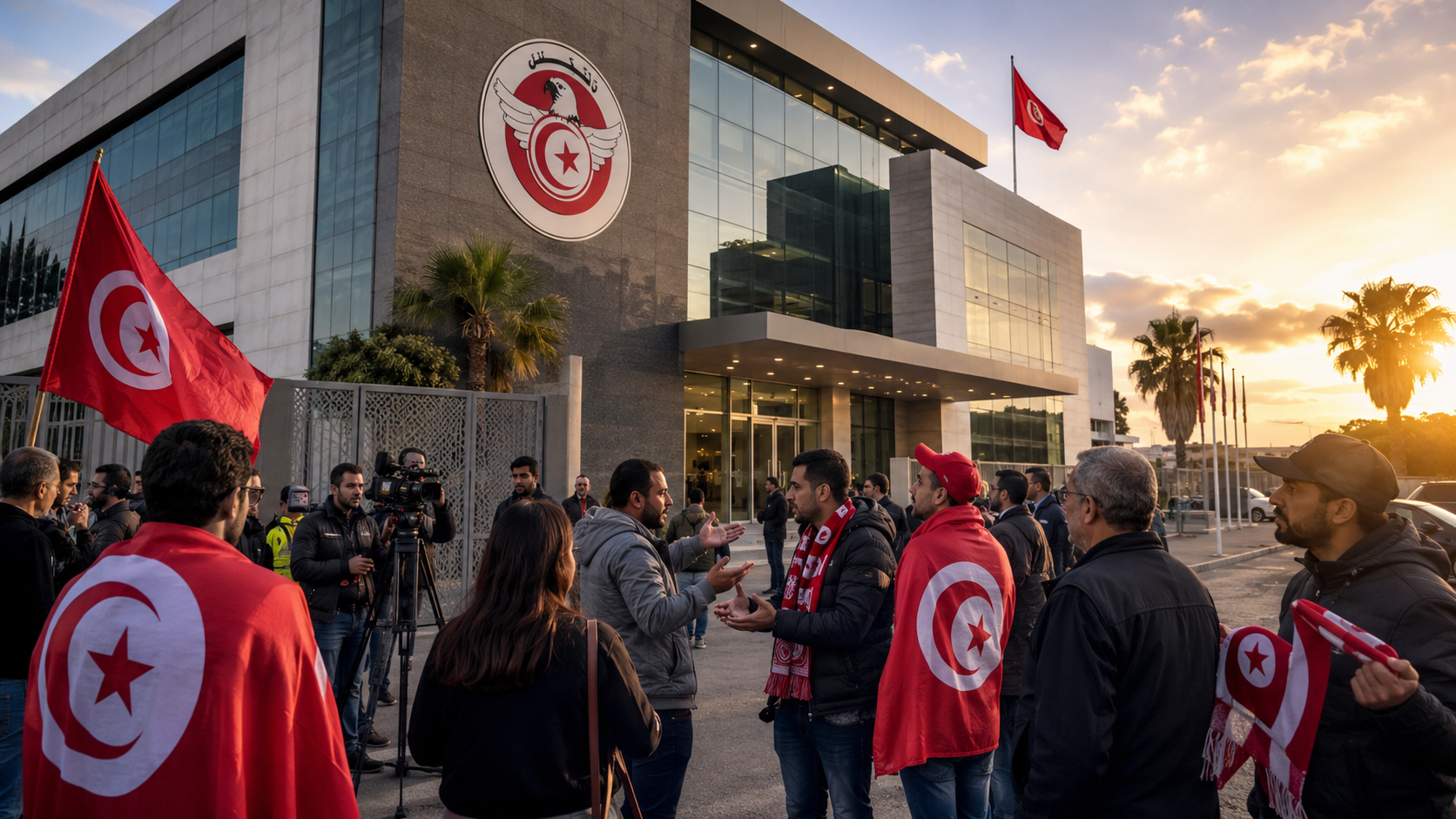
Tunisia’s early World Cup exit has turned public anger toward the Tunisian Football Federation after two heavy defeats exposed problems that many supporters believe go beyond the coach.
The Eagles of Carthage were eliminated after losing 5-1 to Sweden and 4-0 to Japan. The numbers alone are severe: nine goals conceded, one scored, no points and one match still to play against the Netherlands.
The reaction in Tunisia has been sharper because the tournament followed months of instability. Sabri Lamouchi was appointed in January, entered the World Cup after poor warm-up results, and was dismissed after one match. Hervé Renard then arrived for the remaining group games, but his first match ended with another heavy defeat.
For many fans, the sequence looked like panic rather than planning. The criticism has centred on preparation, squad management, coaching choices and the federation’s responsibility for the broader environment around the national team.
Tunisian and Arab sports media reported strong criticism from former players and coaches after the Japan defeat. Some called for a full review and accountability inside the federation. Kooora, citing Mosaïque FM, reported that the federation was due to hold an emergency meeting at the team’s base in Mexico amid pressure from supporters demanding the resignation of the current leadership.
Ali Abdi’s emotional television appearance after the Japan match captured the mood. The defender apologised to Tunisian supporters and criticised the decisions taken before the tournament, including the attempt to build a team and technical setup shortly before the World Cup. His remarks were widely circulated because they came from inside the squad, not from outside commentary.
That matters. Players usually avoid direct criticism during tournaments, especially when one match remains. Abdi’s comments reflected the depth of frustration after a campaign that had lost sporting direction.
The federation, led by Moez Nasri, now faces a difficult question. It can present the World Cup as a failed campaign caused by poor performances, or it can treat it as a symptom of a deeper governance problem. The second path is harder, but it is closer to what the public debate in Tunisia is now demanding.
The crisis also follows a turbulent period for Tunisian football governance. The federation had already been through a FIFA-backed normalisation process after the fall of former president Wadie Jary. That background means every major failure now revives questions about institutional culture, decision-making and whether Tunisian football has truly moved on from its old habits.
The Netherlands match remains on the schedule, but the national conversation has already shifted. Tunisia’s World Cup is no longer only about results. It is about who made the decisions, who owns the failure and what changes before the next tournament cycle.