
America now shows up only where there is a deal to sign
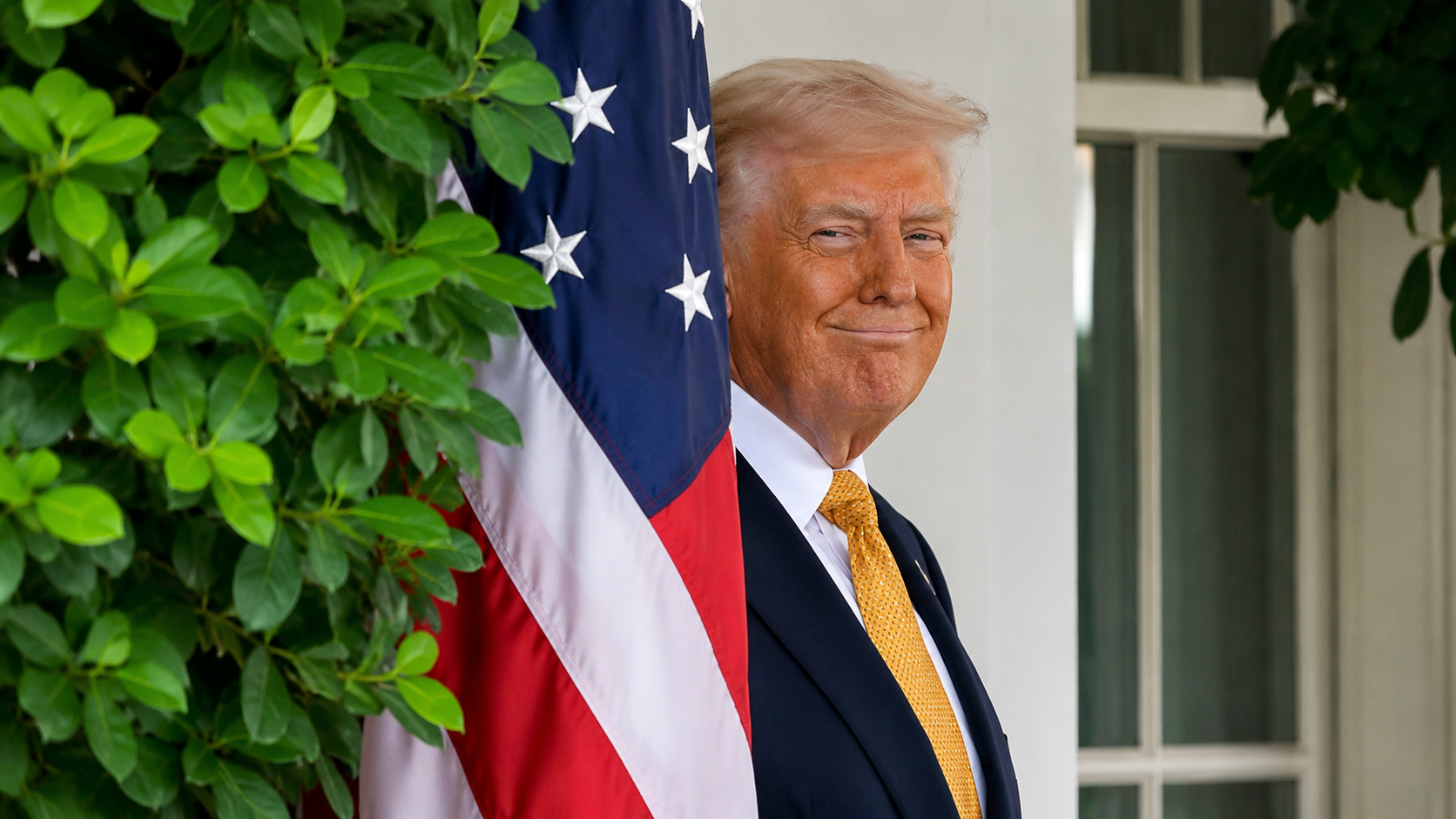
The United States is having a loud argument with itself. The president's approval has sunk to 34 percent, his most prominent former media ally has quit the Republican Party and called its record treasonous, and the succession battle for 2028 has begun eighteen months early. Observers keep reaching for the word retreat to describe what this means for the world. The word is wrong, and the countries of this region should understand precisely how.
Present, but transactional
Look at the map from Tunis. American diplomacy has rarely been this active next door. A presidential adviser has spent a year brokering a Libyan settlement, complete with secret meetings in Rome and Paris, a unified budget, joint military exercises and an offer to host the signing at the White House. The declared ambition is to double Libyan oil production and bring American majors back to the country's fields.
In the Gulf, the same administration fought a two month war with Iran and then negotiated its aftermath directly, with envoys shuttling to Islamabad. This is a great deal of activity for a power supposedly withdrawing from the world.
The pattern is legible once the sentiment is stripped away. America has stopped doing foreign policy as stewardship and started doing it as deal flow. Engagement follows extractable value: oil, minerals, arms sales, hostage releases that produce ceremonies, agreements that produce signing photographs. What has been retired is the older portfolio, the patient, unphotogenic work of institution building, democracy support and development that once came attached, however imperfectly, to American attention.
What falls off the map
For this region, the sorting is already visible. Libya, holding Africa's largest oil reserves, receives a senior presidential adviser and daily calls. Tunisia, holding a democratic legacy and an economic crisis, receives an annual human rights report nobody in Washington reads aloud. The Sahel, where a jihadist coalition besieges a capital and assassinates ministers, receives travel warnings and embassy drawdowns. Sudan, site of the world's largest displacement crisis, receives episodic statements.
The lesson small states are drawing is rational: to secure American attention, present a transaction. Offer minerals, basing rights, migration cooperation, or a signature moment. Countries with nothing to sell learn that the queue has closed. This is a genuine change from the era, hypocritical as it often was, when being a fragile democracy was itself a claim on Washington's interest. Tunisia knows that era intimately, having been its showcase.
There is a second order effect worth naming. When American engagement becomes purely commercial, it stops being distinguishable from anyone else's. Gulf capitals, Beijing, Moscow and Ankara all offer transactional partnership, often on faster timelines and with fewer congressional complications. America's old comparative advantage was the package: markets plus security plus, at least rhetorically, a stake in how you governed. Strip the last element and Washington is simply one bidder among several, and not always the most convenient one.
Living with the customer superpower
The domestic argument in America, the one Tucker Carlson's exit from the Republican Party dramatises, will run for years, and its foreign policy consequence is already fixed whichever faction wins: less mission, more market. Both American populisms, right and left, agree on retrenchment and disagree only on style.
For Tunisia and its neighbours, three adjustments follow. First, stop writing strategy papers premised on values based partnership with Washington and write them around interests that can be priced: phosphates, green hydrogen, Mediterranean logistics, counterterrorism cooperation. Second, hedge as a habit rather than an event, keeping European, Gulf, Chinese and Turkish channels warm simultaneously, because a transactional partner feels no loyalty and expects none. Third, invest in the regional relationships that great powers cannot switch off, because neighbours remain when envoys move on.
The United States has stopped asking what kind of government its partners run and started asking what they have to trade. That question at least has the virtue of clarity. The region should answer it with equal clarity, and without nostalgia for an attention that, on honest reflection, was always more conditional than advertised.