
Creatine as an add-on to antidepressants linked to higher remission odds
A systematic review of eleven trials covering 1,093 patients found that creatine supplementation alongside antidepressants was associated with a 3.6 times greater likelihood of remission, yet the overall evidence quality was rated very low and researchers say larger, more rigorous trials are needed
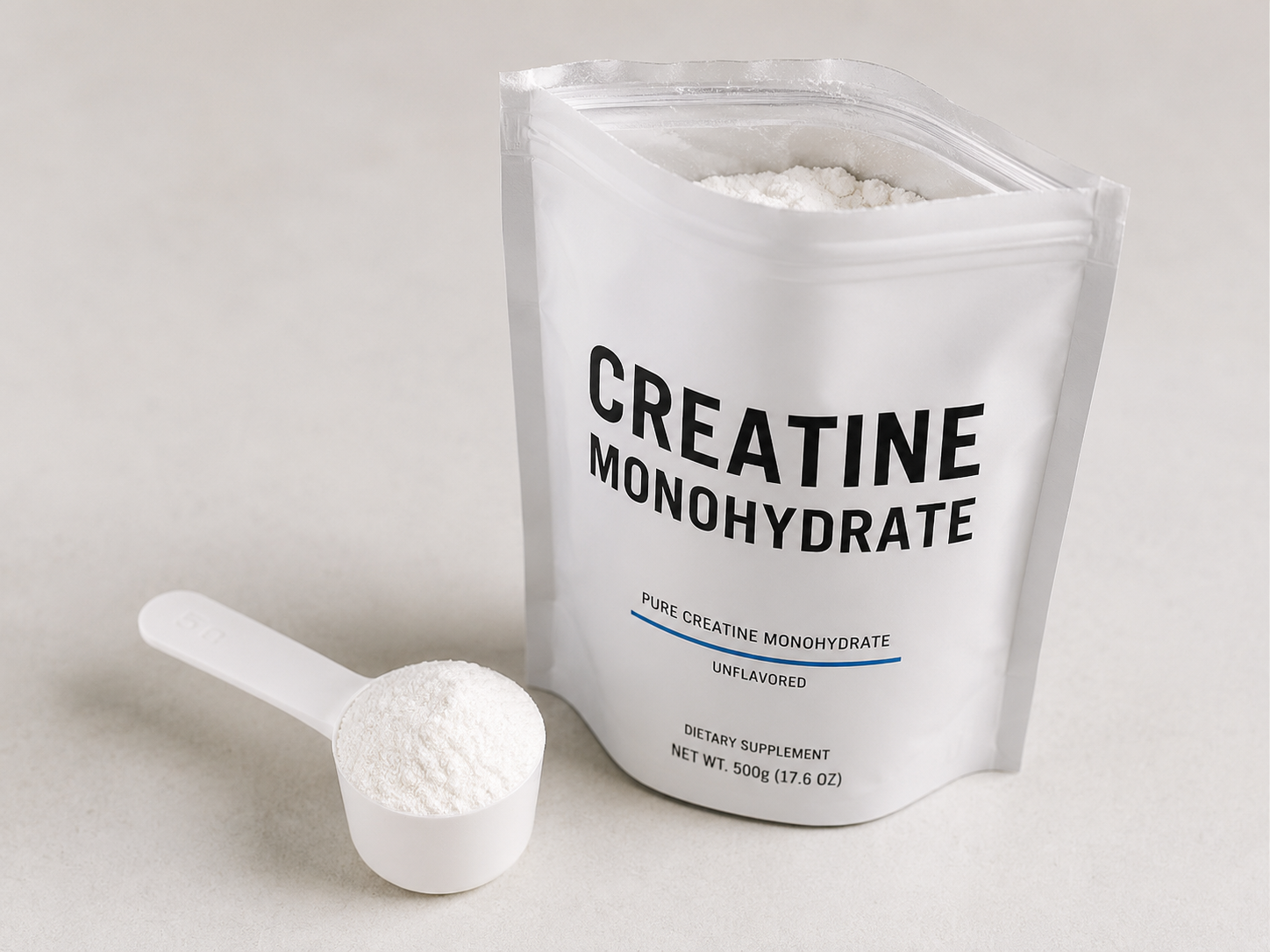
A systematic review and meta-analysis published in the British Journal of Nutrition has found that creatine supplementation may increase the likelihood of remission in people being treated for depression, though the researchers caution that the overall evidence is very uncertain and falls short of the threshold needed to change clinical practice.
The meta-analysis, published in November 2025, synthesised data from eleven randomised controlled trials involving 1,093 participants. A pooled random-effects analysis found a standardised mean difference of −0.34, equivalent to 2.2 points on the seventeen-item Hamilton Depression Rating Scale — below the minimal important difference of 3.0 points, with a confidence interval that includes zero.
On the secondary endpoint of remission, results across three trials showed an odds ratio of 3.60 (95% CI 1.76–7.56), a potentially meaningful signal; but the authors note that average effects were not clinically important and the true effect may be trivial or null, with the evidence base rated as very uncertain.
What the pooled data show
Heterogeneity across the included trials was substantial, with an I² of 71.3 percent, and subgroup analyses alongside trim-and-fill adjustments indicated substantial bias favouring creatine, meaning publication bias cannot be ruled out.
Some of the variation between trials may reflect differences in the study populations. Trials conducted in individuals with a clinical diagnosis of depression appeared to show larger effects than those in non-depressed populations.
Adverse events were generally similar between the creatine and placebo groups, tended to occur early in treatment and resolved without specific interventions, though most studies did not describe how adverse events were identified and investigated in sufficient detail.
The authors conclude that larger, more rigorous randomised trials are required before definitive conclusions can be drawn.
The women-focused trial behind the remission signal
The most-cited individual trial within the review examined creatine as an add-on specifically in women. Fifty-two women with major depressive disorder were enrolled in an eight-week double-blind, placebo-controlled trial and randomly assigned to receive the antidepressant escitalopram alongside either creatine at 5 grams per day or a placebo.
By week eight, the remission rate in the creatine group stood at 52 percent, compared with 26 percent in the placebo group. The authors of that 2012 trial proposed that the augmentation effect may work by restoring brain bioenergetics at the cellular level.
A separate observational study found a sex-specific pattern in dietary data. An analysis of a nationally representative US adult cohort found an inverse association between dietary creatine intake and depression (adjusted odds ratio 0.68), with the negative association strongest in females (adjusted odds ratio 0.62) and in participants aged 20 to 39.
Why the brain connection
Creatine plays a vital role in brain energy homeostasis, and lower creatine levels in the brain have been linked to depressive symptoms and therapeutic resistance. The compound helps power cells by rapidly regenerating ATP — the fuel that keeps muscles, the brain and the heart running during intense activity.
Major depressive disorder is among the leading causes of disability worldwide, affecting around 280 million people. Despite the availability of therapies, substantial unmet needs remain: many people do not receive sufficient treatment due to limited health literacy, financial constraints or stigma, and current treatments often cause side effects, require long-term commitment, and do not provide satisfactory relief for all patients.
Limits of the current evidence
Several factors weigh against confidence in the pooled findings. Most trials were small, with sample sizes ranging from roughly 20 to 60 participants. Many were conducted at single centres, which tends to produce larger treatment effects than multicenter trials. Some trials did not adequately describe randomisation procedures or allocation concealment, and blinding was not always clearly maintained.
The Eckert et al. review team rated the certainty of evidence as very low under the GRADE framework — the lowest possible rating — meaning that the true effect of creatine on depression remains highly uncertain and the estimates could shift substantially as more rigorous data emerge.
The meta-analysis was led by Igor Eckert and colleagues at the Universidade Federal do Rio Grande do Sul in Porto Alegre, Brazil, and published in British Journal of Nutrition, Volume 134, Issue 11, in December 2025.