
France and Algeria in secret talks to swap Algerian consular agent's release for detained journalist Christophe Gleizes
Negotiations between Paris and Algiers over the fate of French sports journalist Christophe Gleizes, imprisoned in Algeria since June 2025, now hinge on the possible release by France of an Algerian consular agent charged with involvement in the abduction of a government critic on French soil, Le Mo
Negotiations between France and Algeria over the release of imprisoned French sports journalist Christophe Gleizes now centre on a possible French decision to free an Algerian consular agent held in pre-trial detention in Paris, Le Monde reported on Tuesday 30 June.
The consular affair at the core of the deal
At the centre of the tensions between the two capitals is the indictment in France of an Algerian consular agent over the alleged abduction of Algerian dissident Amir Boukhors, known as Amir DZ. On 11 April 2025, three Algerian nationals were charged in Paris with "kidnapping and sequestration in connection with a terrorist organisation." One of them is a consular agent stationed at the Algerian consulate in Créteil.
Boukhors, an influencer known by the nickname "Amir DZ", has more than a million followers on TikTok. He has been in France since 2016 and was granted political asylum in 2023. He was abducted in April 2024 and released the following day, according to his lawyer. Algiers is demanding the influencer's return to face trial, having issued nine international arrest warrants against him on accusations of fraud and "terror" offences.
On 28 April 2025, the Paris Court of Appeal rejected a request for provisional release filed by the Algerian consular employee. Algeria's foreign ministry described the legal proceedings as a "judicial witch hunt" and demanded the consular agent's immediate release.
The journalist at the heart of the exchange
Gleizes, 37, was arrested in May 2024 while travelling to northeastern Algeria's Kabylia region to write about the country's most decorated football club, Jeunesse Sportive de Kabylie. He was sentenced in June last year to seven years in jail for "glorifying terrorism" after being convicted of having contact with members of the Movement for the Self-Determination of Kabylie (MAK), a foreign-based group that Algiers has designated a terrorist organisation.
He was charged with "glorifying terrorism" and "possessing propaganda publications" after he interviewed the head of a football club accused of supporting a group designated as terrorist by the Algerian government. Gleizes's lawyer has called the charges "baseless" and politically motivated.
Algeria's Court de Cassation, the country's highest appeals court, rejected prosecutors' calls for a tougher sentence and noted the withdrawal of the defendant's own appeal. His lawyers said "the future of Mr Christophe Gleizes now falls under the prerogatives of the president of the republic."
Gleizes dropped his final appeal in the hope of securing a presidential pardon. Following the withdrawal, his mother said the journalist had put "his complete trust in President Tebboune's clemency". Algeria traditionally issues pardons during major religious and national holidays, including on 5 July, the day marking the country's independence from French colonial rule.
A thaw built step by step
Ties between France and Algeria have been fraught since 2024, when Paris backed Moroccan sovereignty over the disputed Western Sahara, where Algeria supports the pro-independence Polisario Front. In April 2025, France announced it was expelling 12 Algerian diplomatic officials, a day after Algeria took the same step against 12 French officials, in a tit-for-tat move reflecting rising tensions.
French Interior Minister Laurent Nuñez visited Algiers in February 2026 to restart security cooperation, marking the first sign of a diplomatic thaw. That visit helped resume consular authorisations that had dropped to zero at the height of the crisis. Rufo was accompanied by Ambassador Stéphane Romatet, who resumed his duties in Algeria more than a year after being recalled from his post.
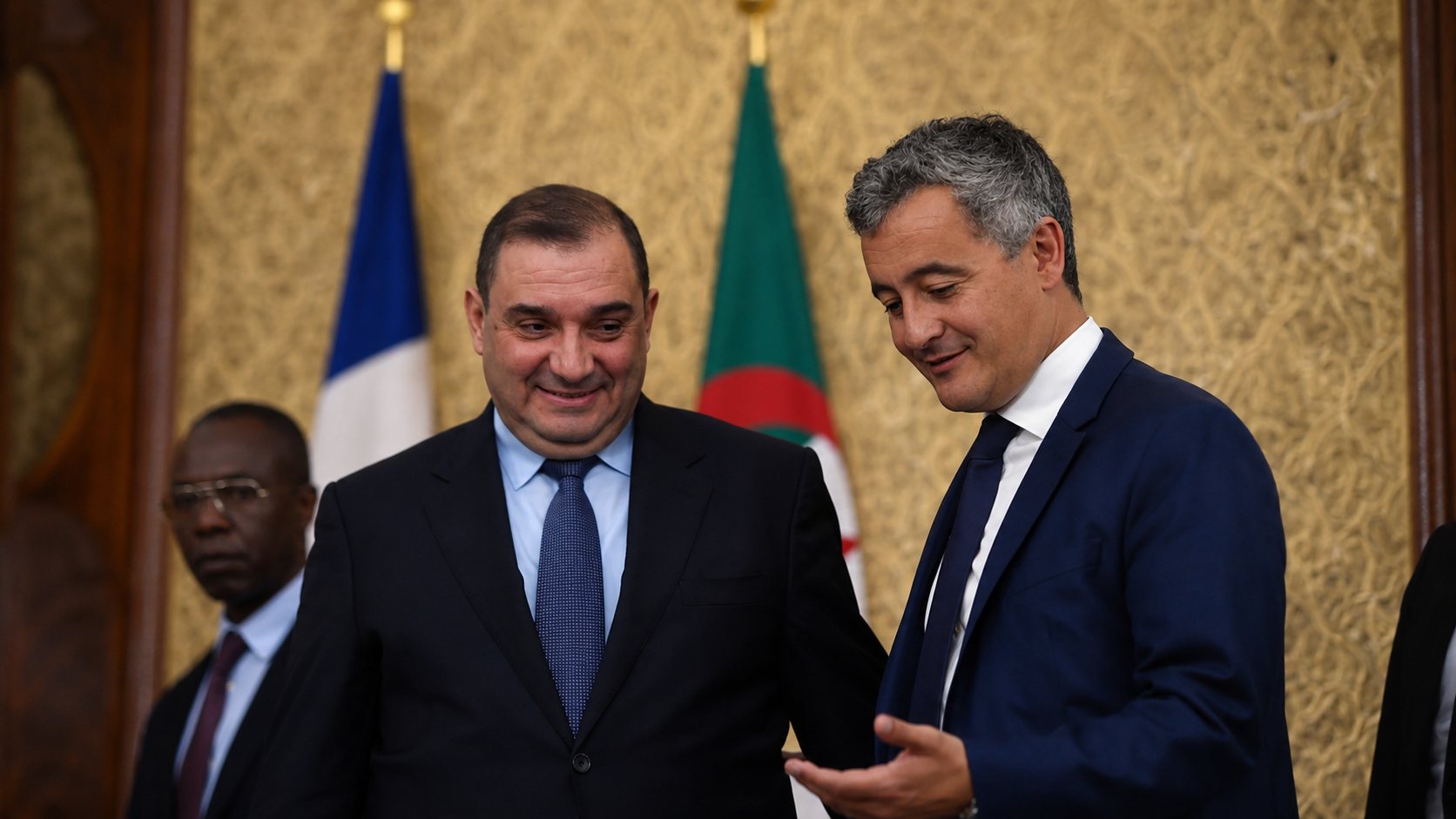
Following the Rufo meeting, France confirmed that Gleizes had received his first consular visit since his detention began. French Justice Minister Gérald Darmanin visited Algeria on 18 May 2026, signalling a major thaw in relations and the restart of judicial cooperation between Paris and Algiers. The visit also formally resumed judicial cooperation between the two countries after "two years of total interruption," Darmanin's office told AFP.
Following the visit, Darmanin said he was "very reassured" by his conversations with Algerian authorities about Gleizes's case.
International pressure mounts
Gleizes is the only sports journalist imprisoned in the world at this time. FIFA decided to exceptionally grant him accreditation to cover the 2026 World Cup from his cell in Tizi Ouzou. On the eve of the tournament's opening, FIFA President Gianni Infantino announced that an empty chair awaited Gleizes to cover the competition and called for his release.
Press freedom organisations including Reporters Without Borders have condemned the conviction, noting that Gleizes is currently the only French journalist imprisoned abroad. "IPI calls on President Tebboune to back up his government's pledges to support press freedom with real, concrete actions, starting with the immediate release of Christophe Gleizes with all charges dropped," said IPI Director of Advocacy Amy Brouillette.
Algiers has not issued a public response to the Le Monde report. A presidential pardon decision, if taken, is expected to come on or around 5 July. Talks between French and Algerian officials are ongoing.