
Gabès pollution crisis returns to court as residents demand more than repairs
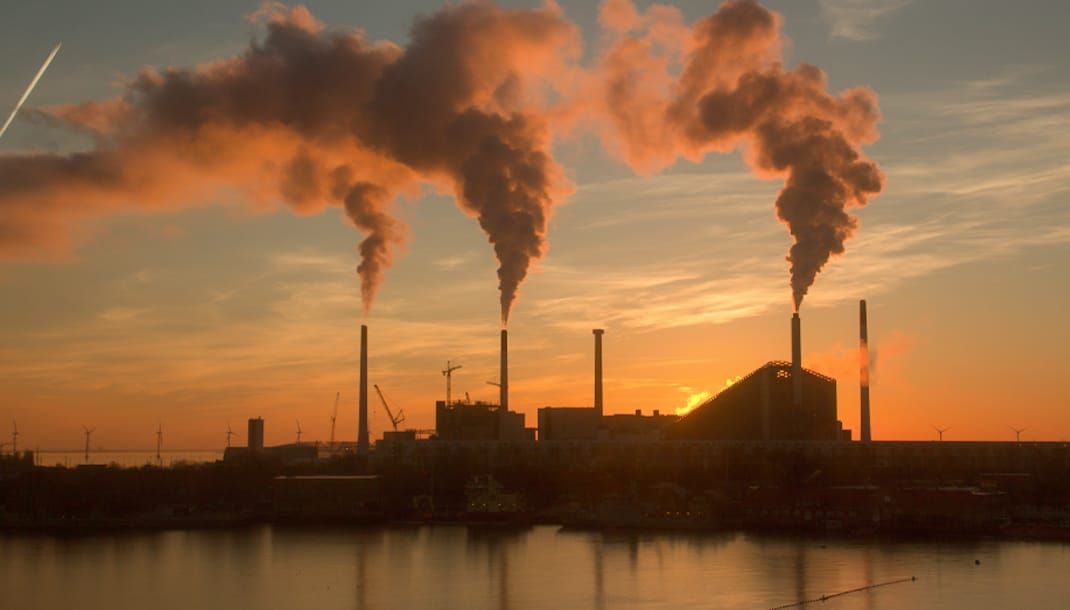
Gabès remains at the centre of Tunisia’s environmental debate months after a wave of poisoning cases, school evacuations and mass protests turned the city’s long running pollution crisis into a national political issue.
The latest developments have shifted from the streets to the courts and the presidency. In February, the Court of First Instance in Gabès rejected an urgent request to suspend the activity of industrial units of the Tunisian Chemical Group, according to statements reported by TAP from Monir Laâdouni, president of the regional branch of the lawyers’ order in Gabès.
The case was brought as residents, lawyers and environmental groups pressed for stronger legal action against the phosphate processing complex at Chatt Essalam, which local activists have blamed for toxic emissions, respiratory illnesses and damage to the Gulf of Gabès.
The ruling followed months of mobilisation. In October 2025, a general strike paralysed Gabès as tens of thousands demanded the closure or relocation of polluting units. Shops, schools and markets shut down after repeated cases of breathing difficulties were reported, including among schoolchildren. Protesters revived the slogan “Gabès wants to live,” which has become the shorthand for the city’s environmental movement.
Gabès has carried this crisis for decades. The industrial complex was developed in the 1970s to transform phosphate from the Gafsa mining basin into phosphoric acid and fertilisers. The sector remains important to the economy and to export revenues, but the local cost has been severe. Residents and environmental groups say chemical emissions have affected air quality, while industrial waste, including phosphogypsum, has damaged the sea, fishing grounds and coastal ecosystems.
The Gulf of Gabès was once known for its rich marine life and coastal oasis environment. Studies and environmental reports have since pointed to serious degradation linked to the discharge of phosphogypsum waste into the sea. A 2018 study published in Marine Pollution Bulletin identified phosphogypsum waste as the main factor degrading seawater quality in the central Gulf of Gabès and said the affected waters were strongly to seriously impacted.
The health concerns are just as sensitive. Residents have repeatedly linked the industrial complex to respiratory diseases, cancer fears and asphyxiation episodes. Reuters reported in October that the latest wave of protests was triggered after dozens of schoolchildren suffered breathing difficulties blamed by residents on toxic fumes from the plant. AP reported that a gas leak near the complex had sent residents, including children, to hospital in the weeks before protests escalated.
President Kais Saied described the situation last year as an “environmental assassination” and blamed policy choices made by previous governments. In January, the presidency received the final report of a team assigned to examine the environmental situation in Gabès, with the stated aim of progressively eliminating sources of pollution.
Official responses have so far focused on urgent repairs, technical interventions and health measures. La Presse reported in January that the presidency ordered immediate work at the phosphoric acid plant, involving teams from the industry and environment ministries. Health Minister Mustapha Ferjani had earlier announced plans for a cancer hospital in Gabès, a measure presented as part of the response to local health concerns.
For activists, those steps do not answer the central demand. Local groups are calling for the dismantling or relocation of the most polluting units, not only repairs to ageing industrial equipment. Their argument is that Gabès has already paid for decades of pollution through damaged health, declining fisheries, reduced agricultural prospects and the loss of a possible tourism future.
The state faces a difficult trade off. Phosphate remains one of Tunisia’s strategic sectors, and the government has set ambitious targets to revive production after years of disruption. Le Monde reported last year that the government wants to raise annual phosphate output from around three million tonnes to 14 million tonnes by 2030. That strategy clashes directly with the demands coming from Gabès, where residents argue that expanding production without addressing pollution would deepen an already serious crisis.
The February court ruling has therefore not closed the file. The Tunisian Forum for Economic and Social Rights criticised the rejection of the urgent request and said pollution from the industrial units continued to cause toxic gas emissions and asphyxiation cases, especially among pupils in nearby areas. Lawyers involved in the case said they would continue legal action.
Gabès has also become a national symbol. Demonstrations in Tunis last October showed that the issue had moved beyond the south. Protesters framed the crisis as a right to life and health, not only as a local environmental complaint. The slogan “Gabès wants to breathe” captured a wider frustration with public services, industrial policy and the state’s handling of regional grievances.
The next steps remain uncertain. The government has not announced a full closure or relocation plan for the chemical complex. Technical repairs may reduce some immediate risks, but they are unlikely to satisfy residents if emissions continue or if new poisoning cases are reported.
For now, Gabès is caught between official promises of gradual treatment and local demands for a decisive break with five decades of industrial pollution. The issue is no longer whether the crisis exists. It is whether the state can offer a response that residents believe is equal to the damage already done.