
Gabès pollution movement calls new march as pressure returns to the streets
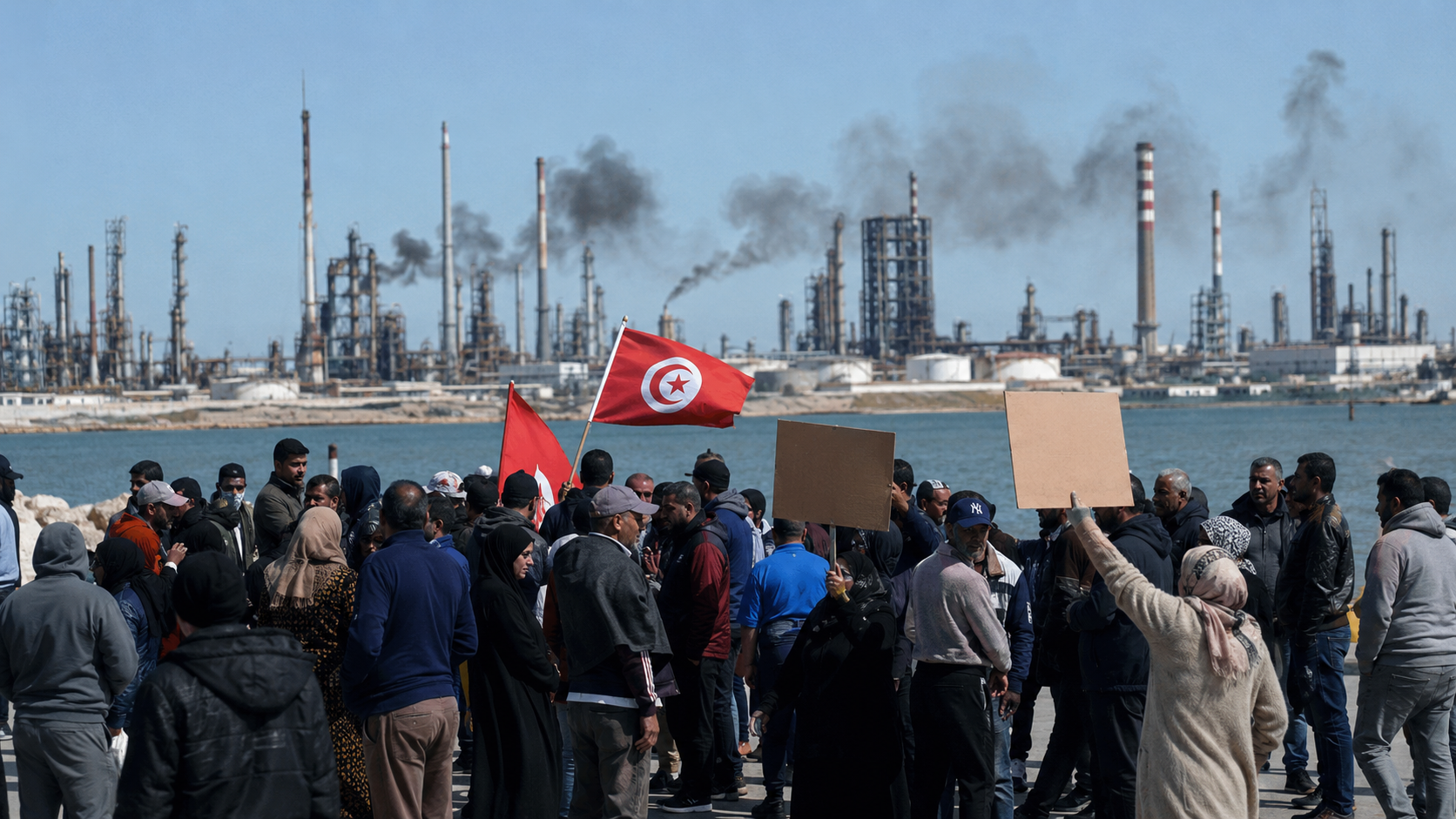
The Stop Pollution campaign has called for a new popular march in Gabès on June 6, bringing the city’s environmental crisis back to the streets after months of court action, official promises and renewed anger over the activity of polluting industrial units.
The march is scheduled to coincide with World Environment Day. Stop Pollution said the mobilisation would renew the demand for the dismantling of the industrial units blamed for decades of toxic emissions in Gabès, and called on residents, civil society organisations and supporters of environmental justice to take part.
The campaign said in a May 16 statement that Gabès was still living under what it called “industrial terrorism”, citing gas leaks, environmental damage and the resumption of activity at polluting units after stoppages and strikes. Local reporting said the group was returning to peaceful mobilisation with stronger determination and would continue protesting until its demand for dismantling the units is met.
The new march comes after a difficult few months for the movement. In February, the Court of First Instance in Gabès rejected an urgent request to suspend the activity of industrial units linked to the Tunisian Chemical Group. Lawyers and environmental groups had pushed for stronger legal action after repeated asphyxiation cases and public complaints over pollution.
The Tunisian Forum for Economic and Social Rights criticised the court decision at the time, arguing that toxic emissions and gas leaks continued to affect residents, especially pupils in nearby areas. For activists, the ruling confirmed that the issue would not be settled only through the courts.
Gabès has carried the burden of Tunisia’s phosphate industry for decades. The industrial complex at Chatt Essalam processes phosphate from the Gafsa mining basin into phosphoric acid and fertilisers. The sector remains important for exports and foreign currency, but the local environmental cost has become one of the most visible examples of industrial pollution in the country.
Residents and environmental groups accuse the complex of damaging air quality, the sea and public health. The discharge of phosphogypsum waste into the Gulf of Gabès has long been cited by researchers and activists as a major source of marine degradation. Fishermen have reported declining fish stocks, while families in affected areas have linked the pollution to respiratory illnesses and cancer fears.
The crisis escalated in October 2025 after repeated cases of breathing difficulties were reported, including among schoolchildren. A general strike paralysed Gabès on October 21, and demonstrations spread to Tunis days later. Protesters used slogans such as “Gabès wants to live” and “the people of Gabès want to breathe,” turning a local environmental issue into a national political file.
President Kais Saied described the situation last year as an “environmental assassination” and blamed policy choices made by previous governments. The presidency later received a final report from a team assigned to examine the environmental situation in Gabès, with official statements referring to the gradual elimination of pollution sources.
The government response has focused on technical interventions, repairs and health measures. Officials announced urgent work at the chemical complex and a plan to build a cancer hospital in Gabès. Activists have rejected those steps as insufficient, saying repairs do not answer the central demand for dismantling or relocating the units blamed for the crisis.
The return to mobilisation shows that the gap between official action and local expectations remains wide. Stop Pollution and other local actors say Gabès needs a decision that changes the structure of the industrial zone, not only temporary fixes after leaks or poisoning episodes.
The issue also places the state before a difficult economic choice. Tunisia wants to revive phosphate production, which has fallen well below past levels after years of disruption. But any recovery plan for the sector will face resistance in Gabès if it is seen as increasing production without addressing pollution.
The June 6 march is therefore more than another protest date. It is a test of whether the Gabès movement can regain the momentum it built last October, and whether the authorities will move beyond repairs and reports toward a clearer plan for the future of the chemical complex.
For now, the demand from the movement has not changed. Stop Pollution says Gabès has waited long enough. The state says the file is being treated. The next confrontation will be over whether that treatment means gradual maintenance, or the deeper dismantling activists have demanded for years.