
GCT's Mdhila plant halted as Hormuz crisis cuts off sulphur supply
Production at the Groupe Chimique Tunisien's Mdhila 1 complex has been suspended for several weeks after a collapse in industrial steam and sulphur stocks, with the disruption traced in part to geopolitical tensions around the Strait of Hormuz that have driven up input costs and squeezed global supp
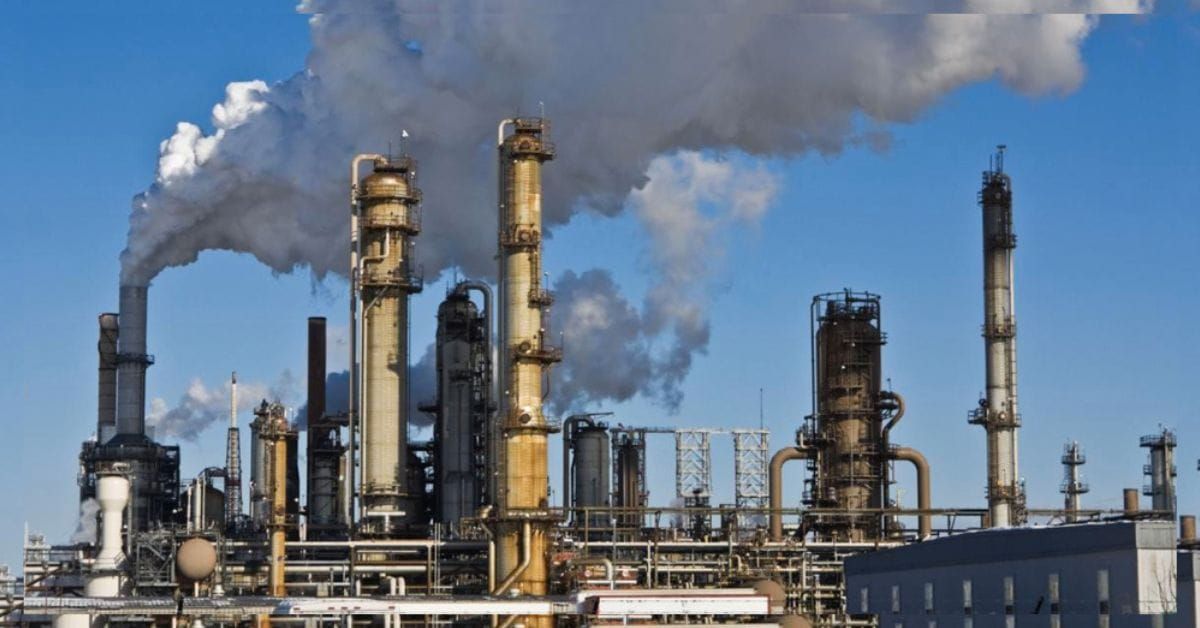
Production units at the Groupe Chimique Tunisien (GCT) complex at Mdhila 1, in the Gafsa governorate, have been at a standstill for several weeks after a shortage of industrial steam knocked out the site's sulphuric acid and phosphoric acid lines, Mosaïque FM reported on Wednesday 10 June, citing an informed source.
The two acids are central to making tricalcium phosphate, one of the GCT's most valuable export products. The source told Mosaïque FM that the outage does not stem from an internal fault at the site but from a combination of external pressures, chiefly disruptions to global energy and industrial input markets worsened by the geopolitical standoff around the Strait of Hormuz.
A separate report by Webdo, also citing the Mosaïque FM source, added that supplier failures in meeting contractual commitments had accelerated the drawdown of available stocks to the point of a full production halt. No restart date has been given.
Why Hormuz matters to Tunisia
The GCT occupies a pivotal position in Tunisia's phosphate chain: the Compagnie des Phosphates de Gafsa (CPG) extracts the ore in the Gafsa basin, while the GCT transforms it into sulphuric acid, phosphoric acid, triple super phosphate (TSP), diammonium phosphate (DAP) and other fertiliser derivatives at plants in Mdhila, Gabès and Skhira.
That transformation process depends on two imports that transit the Strait of Hormuz in large volumes: sulphur and ammonia. Sulphur — produced almost entirely as a by-product of hydrocarbon refining — sees roughly 44 percent of its global exports pass through the strait, according to Maghreb Emergent. Ammonia and urea follow a similar path, with the Gulf region accounting for nearly half of world urea production and about 30 percent of ammonia, according to Wikipedia's account of the 2026 Strait of Hormuz crisis.
Since shipping through the strait was largely blocked from late February 2026, following the US-Israeli military campaign against Iran, sulphur prices have risen by more than 20 percent and urea prices by more than 40 percent, Maghreb Emergent reported. UNCTAD warned in March that higher energy, fertiliser and transport costs — including elevated freight rates, bunker fuel prices and insurance premiums — could increase food costs and intensify cost-of-living pressures particularly for the most vulnerable economies.
A sector already under strain
The Mdhila 1 outage compounds pre-existing difficulties. GCT's overall activity rate stood at around 40 percent as of early 2026, its director general told parliament in April, according to Business News. The group consumes roughly two million tonnes of phosphate and around 600,000 tonnes of sulphur per year; demand for some of its products, including DAP and ammonium nitrate, already exceeded supply by about 25 percent before the current crisis, the same parliamentary session heard.
Tunisia's phosphate and derivatives exports fell 24.6 percent in the first two months of 2026 after a 15 percent gain across 2025 as a whole, according to the National Institute of Statistics (INS), cited by Web Manager Center, illustrating how fragile the sector's partial recovery remained.
An earlier, separate shutdown at Mdhila 1 was reported by Kapitalis on 18 May, when Diwan FM cited a local source saying the plant had been offline since Sunday 17 May due to exhausted sulphur stocks, with no date set for a restart pending fresh deliveries. The Webdo report published on Wednesday suggests units remain down — or have experienced a further disruption linked to the industrial steam shortage — with the Hormuz crisis cited explicitly as an aggravating factor.
Wider stakes
Phosphate exports, foreign currency receipts, regional employment and public finances all depend on the sector's performance. The parliament approved in April a 153-million-dinar loan, funded by the Arab Fund for Economic and Social Development (FADES), for railway modernisation serving the phosphate chain — a sign that the state continues to treat the sector as a priority even as output lags far below its 8.1-million-tonne peak of 2010.
The strait crisis shows no immediate sign of resolution. As of early June, commercial traffic through the waterway remained a fraction of normal levels, with shipping firms still reluctant to return despite ceasefire talks, Gulf News reported. Analysts at SeaVantage forecast elevated disruption through at least the third quarter of 2026, a timeline that, if it holds, will continue to press GCT's sulphur supply and raise the cost of any new purchases it manages to secure.