
Gold slips below $4,000 as Fed rate-hike bets and firm Treasury yields press the metal to an eight-month low
Bullion fell to around $3,984 an ounce on Wednesday — its weakest level since November 2025 — as strong US jobs data hardened expectations of Federal Reserve rate hikes and elevated Treasury yields continued to draw capital away from the non-yielding metal.
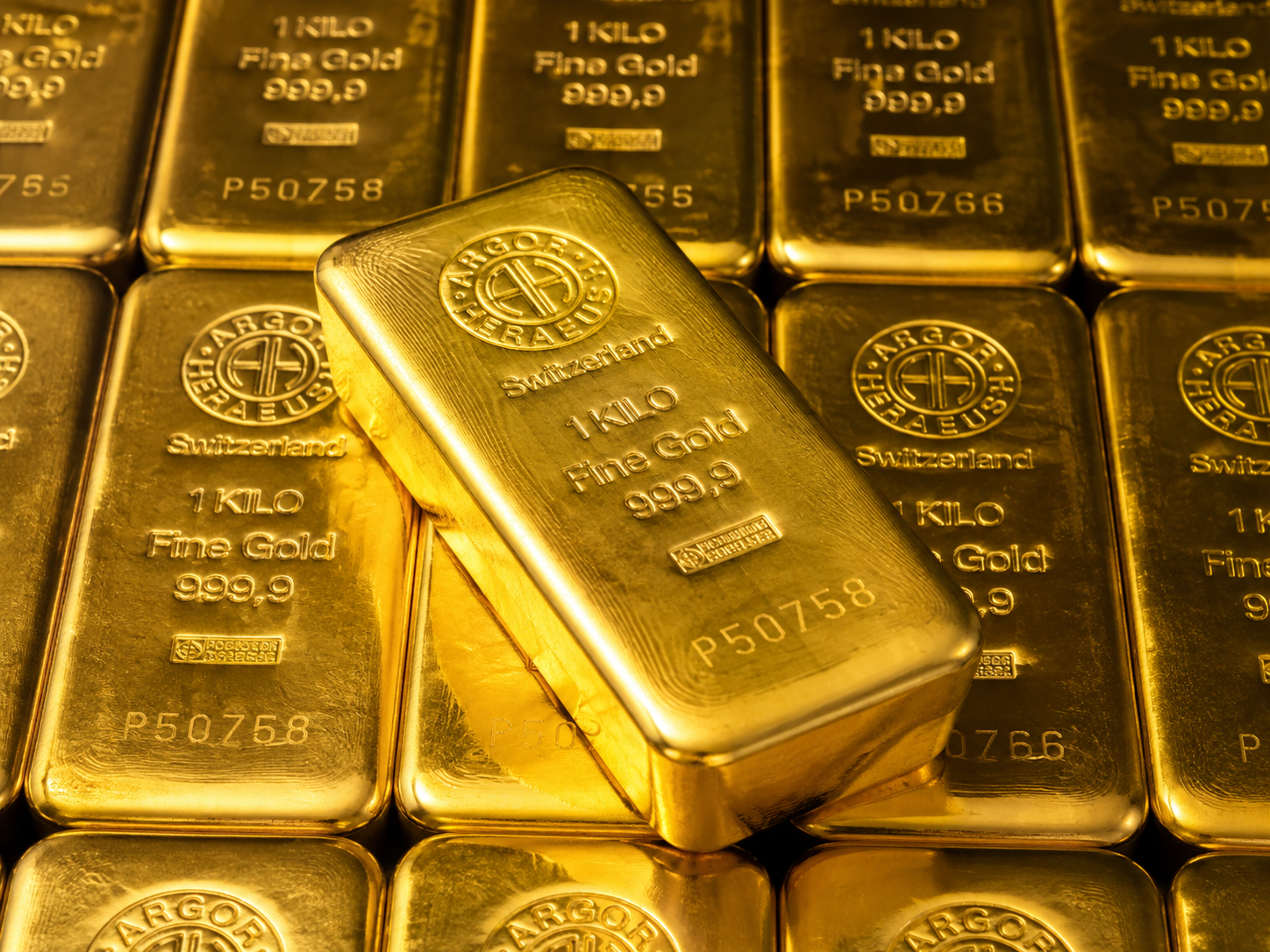
Gold fell to around $3,984 an ounce on Wednesday 1 July, slipping below the psychologically significant $4,000 mark and holding near its weakest level since November 2025, as a run of strong US economic data cemented expectations that the Federal Reserve will raise interest rates before the year is out.
The metal has shed roughly 11 percent across the second quarter, its steepest quarterly decline in more than a decade, and sits about 29 percent below the all-time high of $5,595 an ounce reached on 29 January 2026.
Data fuels the hawkish case
The immediate pressure came from a sequence of labour-market and inflation readings that gave Federal Open Market Committee members little room to soften their stance. The latest Job Openings and Labour Turnover Survey showed job openings climbing to a two-year high, and analysts forecast another solid increase in non-farm payrolls for June, the figures for which are due later this week.
Core Personal Consumption Expenditures inflation — the Fed's preferred measure — rose to 3.4 percent in May, the highest reading since 2023 and well above the central bank's 2 percent target, while headline PCE reached 4.1 percent. Both figures matched forecasts but reinforced the case for continued tightening.
Markets are now pricing in roughly a 65 percent chance of a rate rise at the Fed's September meeting, according to CME FedWatch data, with traders having effectively erased expectations of any cut in 2026.
Warsh and the balance-sheet signal
Fed Chair Kevin Warsh, who took over the central bank's helm this year, has added a further layer of hawkishness. Warsh announced the formation of task forces to assess whether the Fed should begin selling down its large holdings of Treasury notes and bonds — a step that, if taken, would add supply to the bond market and exert further upward pressure on yields.
The US 10-year Treasury yield held at around 4.38 percent this week, a level that has made coupon-bearing government debt considerably more attractive than gold, which carries no yield. Rising energy prices, driven in part by the Middle East conflict, had erased earlier expectations of rate cuts by amplifying inflation risks; a partial easing of Strait of Hormuz tensions in recent days offered some relief to yields but was not enough to reverse gold's broader slide.
What it means for investors watching from Tunisia
For investors in Tunisia, the dip in the dollar price of gold has been partially cushioned by the Tunisian dinar's own weakness against the dollar. Gold in dinars remains significantly higher than it was a year ago — the per-ounce price in TND peaked at around 15,496 dinars on 28 January 2026 and has since retreated sharply, though it remains well above the mid-2025 level of roughly 9,400 dinars per ounce, according to exchange-rates.org historical data.
Physical gold demand in the jewellery sector has fallen globally: the World Gold Council reported that demand from jewellers dropped 24 percent in the first quarter of 2026 compared with the prior quarter, with declines of 32 percent in China, 18 percent in India, and 23 percent across the Middle East. Investment demand in bars, however, rose 20 percent quarter-on-quarter and 50 percent year-on-year in the same period, suggesting some buyers are treating the correction as an entry point.
Outlook split between structural bulls and near-term caution
Major banks have not withdrawn their longer-term price targets, even as they have trimmed near-term forecasts. Goldman Sachs cut its year-end 2026 target to $4,900 an ounce in June, citing the expectation that the Fed will not cut rates this year. JP Morgan maintains a more bullish view, forecasting the metal could average $6,000 an ounce in the final quarter of 2026.
Greg Shearer, head of base and precious metals research at JP Morgan, described gold as being in "a bit of a technical no-man's land" with investor interest having cooled amid uncertainty over both Fed policy and the trajectory of the Middle East conflict.
Investors and markets are watching for remarks from Warsh due Wednesday, as well as the June non-farm payrolls report on Friday, for the next signal on where US monetary policy is headed — and how much further gold may have to fall before finding a floor.