
How a fortnight of deals gave way to a weekend of strikes
Two agreements were meant to wind down the war with Iran. Within days both were under fire. This is how the past week unfolded, and what the talks in Doha on Tuesday have to repair.
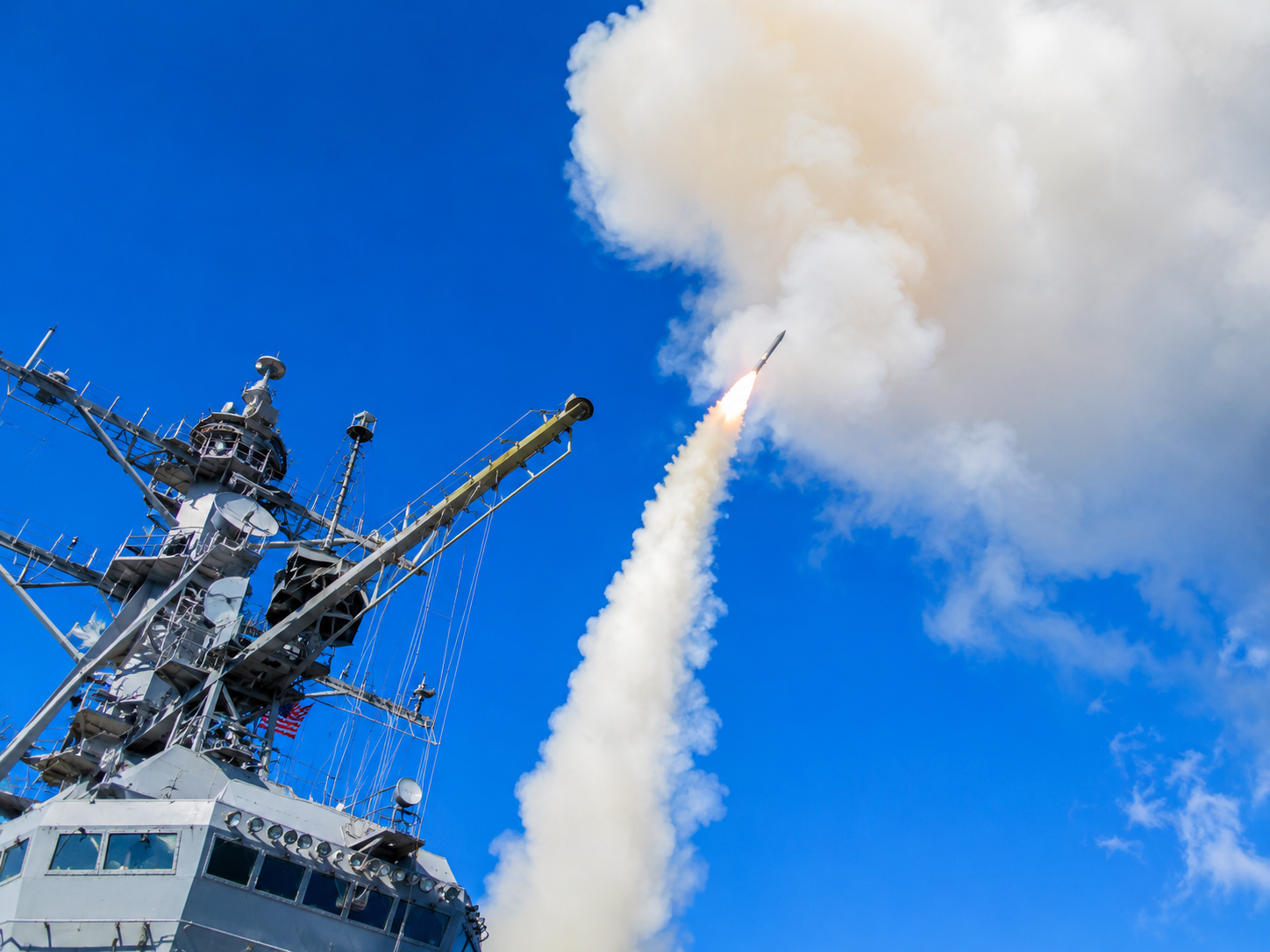
Washington and Tehran agreed on Sunday night to stop shooting. After three days of strikes around the Strait of Hormuz, a US official said both sides would "stand down for now" and let vessels move freely, and that technical talks planned for Switzerland this week had been moved to Doha and refocused on the strait. The pause is the first calm in a week that tested every part of the deal meant to end the war.
To see why the weekend mattered, it helps to trace how the region reached it.
The road to the deals
The war began on 28 February 2026, when the United States and Israel launched airstrikes on Iran that killed Supreme Leader Ali Khamenei and senior commanders. Iran answered with missiles and drones on Israel and on US bases in the Gulf, and moved to choke the Strait of Hormuz, through which about a fifth of the world's oil normally passes. Traffic collapsed.
A first ceasefire, mediated by Pakistan, took hold in early April but never settled. Talks in Islamabad failed, and in mid April the United States imposed a naval blockade on Iranian ports, leaving a dual blockade of the Gulf that stranded thousands of mariners.
The breakthrough came in June. On 14 June, mediators announced the Islamabad Memorandum of Understanding, and on 17 June Donald Trump signed it at the Palace of Versailles after the G7 summit, with President Masoud Pezeshkian signing in Tehran. The memorandum gave the two sides sixty days to reach a final settlement, reopened Hormuz to commercial traffic, eased some restrictions on Iranian oil sales, and placed Iran's enriched uranium under the supervision of the International Atomic Energy Agency. Washington lifted the blockade the next day.
Lebanon followed its own track. On 19 June, Trump announced a renewed ceasefire between Israel and Hezbollah, brokered with Qatar and Iran, though Israeli strikes in the south continued. A week of negotiations in Washington produced more: on 26 June, Israel and Lebanon signed a framework with the United States that tied an Israeli withdrawal to the disarmament of Hezbollah. Secretary of State Marco Rubio called it a first step towards Lebanese sovereignty.
For a few hours, two tracks looked to be converging. Then the strait pulled them apart.
The week the deals met fire
25 June. An Iranian drone struck the Singapore flagged cargo ship Ever Lovely as it left Hormuz along the Omani coast, on a route US forces had cleared of mines. A UN maritime agency paused its evacuation of stranded vessels.
26 June. Hours after the Lebanon framework was signed in Washington, Trump accused Iran of a "foolish violation" of the ceasefire. US Central Command said its aircraft struck Iranian missile and drone storage sites and coastal radar.
27 June. A maritime body overseen by the US Navy widened a shipping route near Oman, challenging Iran's claim to manage the strait. Early that day an Iranian drone hit the Panama flagged tanker Kiku, carrying more than two million barrels of crude. US forces struck Iranian military sites again, with CENTCOM reporting hits on air defence, drone storage and minelaying capabilities.
28 June. Iran's Revolutionary Guard launched missiles and drones at US sites in Bahrain and Kuwait. Kuwait intercepted two ballistic missiles. Bahrain reported a damaged residential building near its airport. No combatants were reported killed, though Qatar said one of its citizens died aboard a boat from shrapnel. In southern Lebanon, an Israeli soldier was killed in a gunfight with a Hezbollah fighter, and Israel struck targets near Deir Seryan and Taybeh. By night, both sides agreed to stand down.
29 June. In Baghdad, Iranian foreign minister Abbas Araghchi insisted Tehran alone manages Hormuz and warned that separate arrangements would delay its reopening. Washington said it would keep striking Iranian military targets if shipping was threatened. The two sides confirmed they would meet in Doha on Tuesday.
Hormuz: the clause they cannot agree on
The fighting keeps returning to one provision. Article 5 of the memorandum governs passage through the strait, and the two readings diverge. Iran says it controls the waterway and that ships must use a corridor close to its coast. The United States and Oman have opened an alternative lane hugging the Omani shore, which Tehran treats as an attempt to strip its leverage.
Three corridors have now emerged: the Omani route to the south, the central route used before the war, and a northern lane under Iranian control. Operators are unsure which is safe, and insurers are watching closely. Oil prices edged up again on Sunday as the strikes ran into a fourth day. The Doha meeting was moved from Switzerland precisely to handle this, possibly through a military hotline between US and Iranian forces agreed during talks in Switzerland last week.
Lebanon: the front nobody signed for
The Lebanon framework carries a structural flaw. The United States and Iran signed in Islamabad. Israel and Hezbollah did not. The memorandum's promise of calm on all fronts therefore binds neither party actually fighting in Lebanon, and each uses that space: Israel to keep operating, Hezbollah to argue that a Washington framework cannot override what Tehran was promised.
The three positions are hard to reconcile. Beirut reads the framework as a route to full Israeli withdrawal and the return of state authority. Israel says its forces stay until Hezbollah disarms. Hezbollah rejects that order outright; its leader, Naim Qassem, called the deal a surrender, and the lawmaker Hassan Fadlallah warned on Sunday that enforcing it could push Lebanon towards internal conflict. Sunday's killing showed the front is still live.
What Doha has to fix
The first test is Tuesday. If the two sides can turn the pause into a working arrangement for Hormuz, the wider deal buys time; if the strait flares again, the sixty days that began on 17 June become very hard to defend.
Two problems sit behind it. In Lebanon, the army is being asked to take ground that could set it against Hezbollah. On the nuclear file, Iran wants sanctions relief before it opens its most sensitive sites, while the IAEA says it needs access now to verify seals and stocks. Without that, verification stalls and the talks lose their anchor.
None of this needs a single rupture to fail. A tanker hit, a strike in the south, a refused inspection, a missile answered by a missile: each can be written off as isolated. Together they wear down agreements that hold, for now, mainly on paper. Doha will be the first sign of which way they bend.