
Iran warns of immediate response to any attack as Khamenei funeral processions approach
Iran's foreign minister threatened swift retaliation against any strike on its leadership days before state funeral ceremonies for the late supreme leader Ali Khamenei begin in Tehran, after Israel's defence minister described his successor as "marked for death."
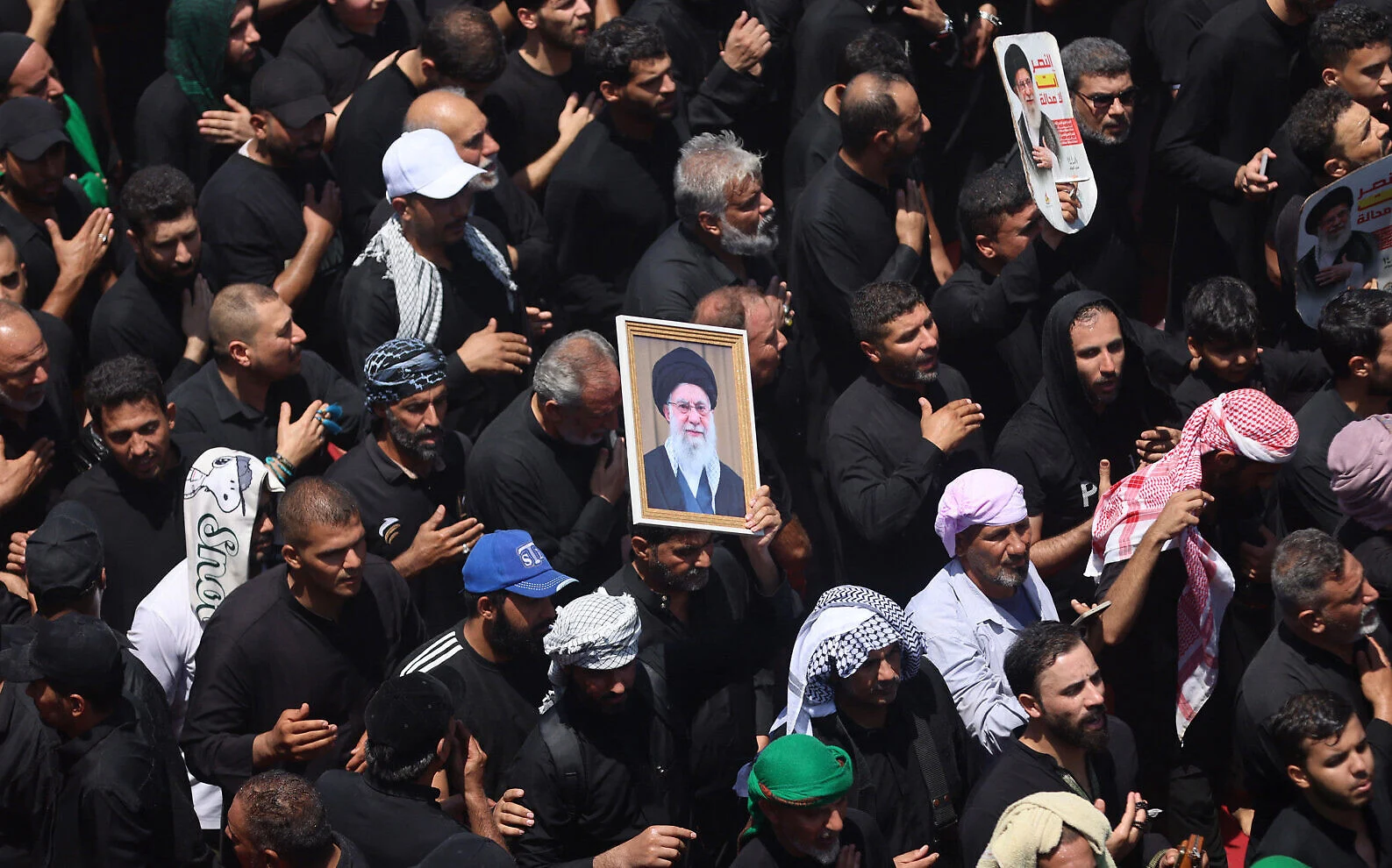
Iran's foreign minister threatened an immediate and powerful response to any attack on the country's leadership on Wednesday 1 July, as state funeral ceremonies for the late supreme leader Ayatollah Ali Khamenei are days away and Israeli threats against his successor have sharpened.
Foreign Minister Abbas Araghchi issued the warning in a post on X directed at Israeli Defence Minister Israel Katz, who told a closed military briefing on Monday that Iran's current supreme leader, Mojtaba Khamenei, was "marked for death," according to the Israeli news agency Ynet. Araghchi said any threat against Iran's people and leadership would draw an immediate and powerful response, and called on Washington to honour commitments made under the Islamabad memorandum of understanding — the interim ceasefire framework — to restrain Israel.
Katz also said at the briefing that Israel could strike Iran again "if it deems it necessary," despite ongoing US-led diplomacy, and reiterated that Israel would not allow Iran to develop nuclear weapons. The Jerusalem Post, citing Israeli officials, reported that Israel has no current plans to strike Mojtaba Khamenei, as doing so would damage the memorandum and the negotiations.
Funeral set for four cities over six days
Ceremonies for Ali Khamenei, killed in joint US-Israeli strikes on his Tehran compound on 28 February, are scheduled to begin at the Imam Khomeini Mosalla in Tehran on 4 July and run through 9 July. Following three days of ceremonies in Tehran, a public procession will move through the city streets on 6 July, with a further ceremony in the holy city of Qom on 7 July. Processions are also planned in Najaf and Karbala in Iraq on 8 July before the body is returned to Iran for burial at the Imam Reza shrine in Mashhad on 9 July.
The multi-city funeral, initially planned for March but postponed as the war continued, is expected to draw enormous crowds. Iranian authorities have said officials from more than 30 countries and religious leaders from more than 90 countries plan to attend.
The dates fall within Muharram, the Shia mourning month. Analysts note the timing is freighted with religious significance: the burial on 9 July falls on the eve of a further Shia commemoration, and Mashhad's Imam Reza shrine is the only site in Iran where one of the twelve Imams is buried.
Mojtaba Khamenei's absence a central uncertainty
Mojtaba Khamenei, who succeeded his father as supreme leader on 8 March, has not appeared in public since his inauguration. Reports, including from CNN, suggest he was injured in the strike that killed his father. He has communicated through statements read by anchors on state-run Islamic Republic of Iran Broadcasting.
Gholam Ali Haddad Adel, a former speaker of parliament and Mojtaba Khamenei's father-in-law, said in a television interview that he had no information about the supreme leader's condition or whereabouts since before the war began. Iranian President Masoud Pezeshkian has confirmed meeting the new supreme leader in a direct session lasting around two and a half hours, without providing further details.
Ali Akbar Pourjamshidian, the secretary of the national funeral committee, said the decision on Mojtaba Khamenei's attendance rested with the Office of the Supreme Leader, and that the ceremony headquarters had no information on the matter. Whether he appears in public at his father's funeral will be among the most closely watched questions of the six-day ceremonies.
Diplomacy under pressure in Doha
The Israeli defence minister's remarks landed on the same day as US and Iranian delegations were holding indirect technical talks in Doha, through Qatari and Pakistani mediators, aimed at securing the flow of shipping through the Strait of Hormuz and converting the interim ceasefire into a more durable agreement. Qatar's foreign ministry said the meetings made "positive progress," with both sides agreeing to continue discussions.
US Vice President JD Vance said on Wednesday that the talks were "going well" and that discussions on the nuclear issue would begin soon. The Qatari foreign ministry said the next round would be scheduled at the earliest opportunity after the funeral processions conclude.
Before the war, around 110 vessels passed through the Strait of Hormuz each day. At least 35 commercial vessels transited the waterway in the 24 hours to 1 July, according to MarineTraffic data — well below pre-war levels but consistent with the subdued rates seen in recent weeks.
The funeral ceremonies begin in Tehran on Saturday 4 July.