
Israel and Hezbollah trade fire as fragile Lebanon talks come under strain
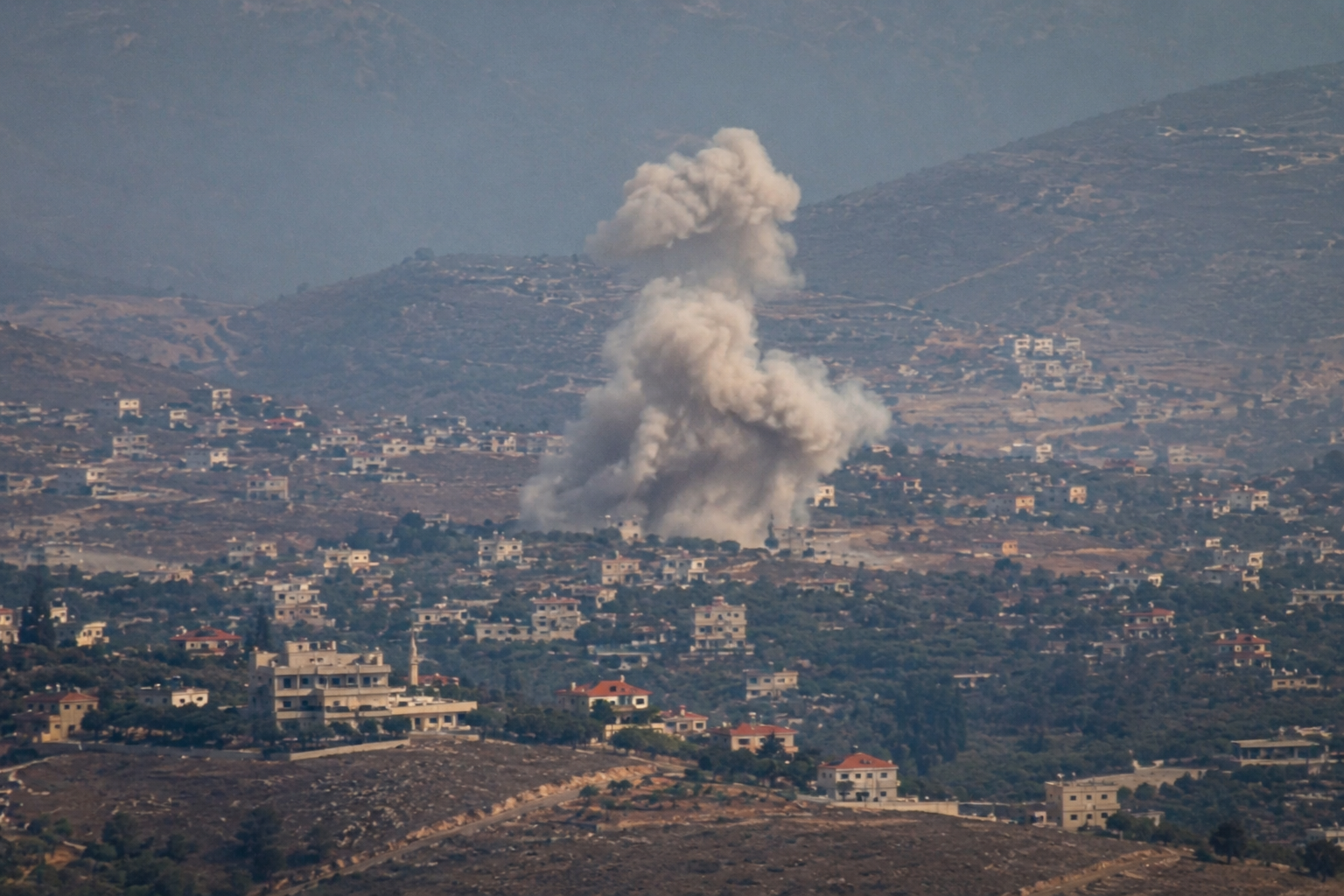
Israel and Hezbollah exchanged fire on Wednesday, putting fresh pressure on a U.S. backed effort to reduce fighting along the Lebanon Israel front just days after a partial understanding was announced.
The Israeli military said it intercepted a “hostile aircraft” that crossed from Lebanon into northern Israel, while Reuters reported that Hezbollah also launched rockets at Israel, prompting Israeli interceptions. The group had said earlier this week, through intermediaries, that it would halt attacks as part of a tentative U.S. mediated arrangement.
The latest incidents came as Israeli drone strikes hit several vehicles in Lebanon, including one near Beirut, in one of the closest attacks to the capital since the latest de escalation effort was announced. Lebanese authorities reported casualties in several areas, including the south, where Israeli strikes have continued despite diplomatic efforts to contain the conflict.
The fighting threatens a limited U.S. backed plan aimed at lowering the intensity of the war between Israel and Hezbollah. Under the proposal, Hezbollah would stop attacks on Israel, while Israel would avoid escalating strikes in Beirut, according to Reuters reporting on the negotiations. The arrangement falls short of a full ceasefire and does not end Israel’s military operations in southern Lebanon.
Lebanon’s embassy in Washington said earlier this week that Hezbollah had accepted the U.S. proposal for a mutual halt to attacks. But the violence since then has underlined how fragile the understanding remains, with both sides accusing the other of continuing hostile action.
Israeli officials have warned that attacks from Lebanon would be met with retaliation. Prime Minister Benjamin Netanyahu said Israel was still verifying the origin of the latest fire, while Defence Minister Israel Katz warned that any attack on northern Israel would trigger a response.
Lebanon has urged Washington to press Israel to stop its attacks and demolitions in the south. Lebanese officials have also taken part in U.S. facilitated contacts aimed at producing a broader security roadmap, but those efforts remain complicated by Hezbollah’s military role and Israel’s continued operations inside Lebanese territory.
The Lebanon front is also tied to wider regional diplomacy. Washington has been trying to separate the Lebanon track from talks involving Iran, while Tehran has accused Israel’s continuing strikes in Lebanon of obstructing broader efforts to reduce tensions. Hezbollah remains one of Iran’s most important regional allies.
The current conflict has already caused heavy losses in Lebanon. Reuters has reported that more than 3,000 people have been killed since the latest round of fighting began, with large numbers displaced from southern Lebanon and other areas affected by Israeli strikes. Israel says its operations are aimed at Hezbollah and are intended to secure its northern border.
For Lebanon, the immediate question is whether the U.S. backed understanding can survive its first major test. The next steps are expected to focus on whether Hezbollah stops fire into Israel, whether Israel limits strikes near Beirut, and whether Washington can turn a limited pause into a more durable arrangement.
For now, the situation remains unstable. The latest exchange shows that even a partial de escalation is difficult to sustain while Israeli forces remain active in Lebanon, Hezbollah retains its armed presence, and the wider U.S. Iran confrontation continues to shape the regional battlefield.