
Gulf ceasefire buckles as Iran strikes Kuwait and Trump insists talks continue
Iranian drones hit a passenger terminal in Kuwait, killing one person and wounding dozens, hours after US forces struck Iran's Qeshm Island. The truce meant to hold since April is fraying by the day.
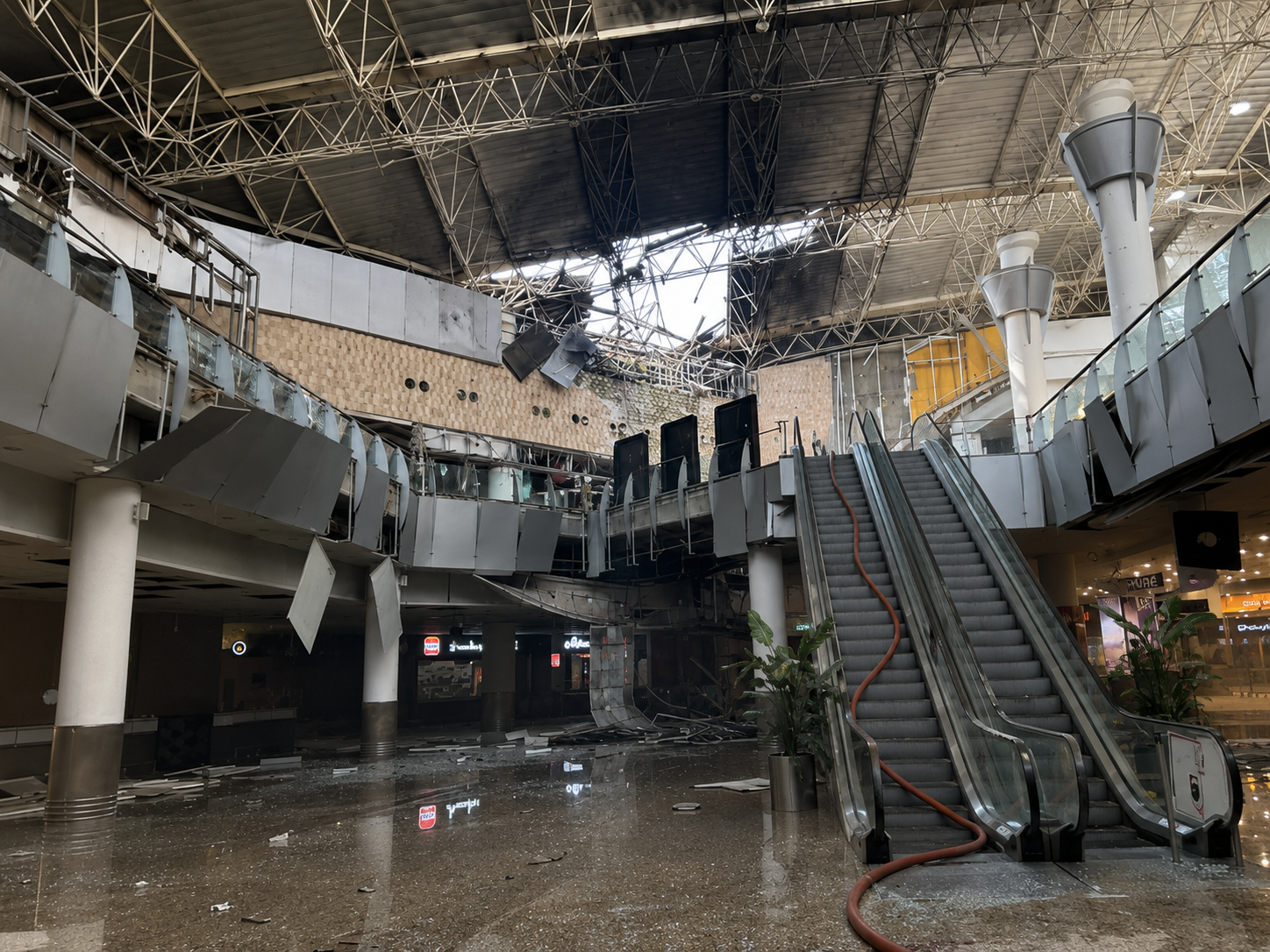
Iranian missile and drone strikes hit Kuwait on Wednesday, killing one person and damaging Kuwait International Airport, in the sharpest escalation in the Gulf since a fragile ceasefire was announced in April.
Kuwaiti authorities said Terminal 1 at the airport suffered significant damage and that dozens of people were wounded. Flights were temporarily disrupted, although Kuwait Airways later resumed operations from Terminal 4 after safety checks.
The attack came as the United States carried out strikes on Iranian military targets near the Strait of Hormuz, including sites on Qeshm Island, according to U.S. Central Command. Washington described the strikes as defensive and said they targeted missile and drone capabilities used in attacks against U.S. and allied interests in the Gulf.
Iran said it had targeted U.S. military positions in Kuwait and Bahrain in retaliation for earlier American strikes. U.S. and Bahraini officials said several incoming missiles and drones were intercepted, and Washington denied that Iranian attacks had successfully hit major U.S. facilities.
The exchange has placed fresh pressure on ceasefire efforts that were already struggling. President Donald Trump said this week that talks with Iran were continuing, despite reports from Iranian state media that Tehran had suspended indirect contacts with Washington. Iranian Foreign Minister Abbas Araghchi later said contact had not been cut off, but that no progress had been made.
The negotiations are centred on a possible extension of the ceasefire, the reopening of the Strait of Hormuz to more normal shipping, and limits on Iran’s nuclear programme. Washington has demanded that Tehran end any pathway to a nuclear weapon in exchange for sanctions relief. Iran says its nuclear programme is peaceful and has accused the United States and Israel of using diplomacy to buy time while military pressure continues.
The Kuwait attack is politically sensitive because the country has tried to avoid becoming a battlefield in the wider confrontation. Kuwait hosts U.S. forces and has close security ties with Washington, but it has also traditionally sought to maintain a cautious regional posture. A direct strike on its civilian airport changes the tone of the crisis and raises the risk that Gulf states will be pulled deeper into the conflict.
Oil markets reacted quickly. Reuters reported that crude prices rose by nearly two percent as the latest attacks revived concerns over energy flows through the Gulf. The Strait of Hormuz remains one of the world’s most important energy corridors, and any sustained military escalation near it could affect shipping, insurance costs and global fuel prices.
The latest flare up also comes as the regional battlefield widens. Israel has continued strikes in Lebanon against Hezbollah, Iran’s most important regional ally, while U.S. officials have tried to keep the Lebanon track from derailing talks with Tehran. Trump has publicly expressed frustration over Israel’s actions in Lebanon, saying he was “perturbed” that the fighting was holding back peace efforts with Iran.
The conflict is also generating pressure inside Washington. The U.S. House of Representatives adopted a war powers resolution on Wednesday seeking to rein in Trump’s authority over the Iran war. The measure is largely symbolic and faces uncertain prospects in the Senate, but it marked the first formal rebuke by the lower chamber since the conflict began.
For now, the diplomacy remains alive but weakened. Washington says talks are ongoing. Tehran says there has been no progress. Kuwait is assessing damage to a civilian airport. U.S. forces are striking Iranian launch sites. Iran is warning that more retaliation could follow.
The immediate test is whether the latest round of attacks remains contained, or whether the Gulf moves back toward open escalation. Much will depend on whether the United States and Iran can restore indirect negotiations before another strike forces the region into a wider confrontation.