
Only 7.8% of Tunisian Companies Ready for AI, Study Finds
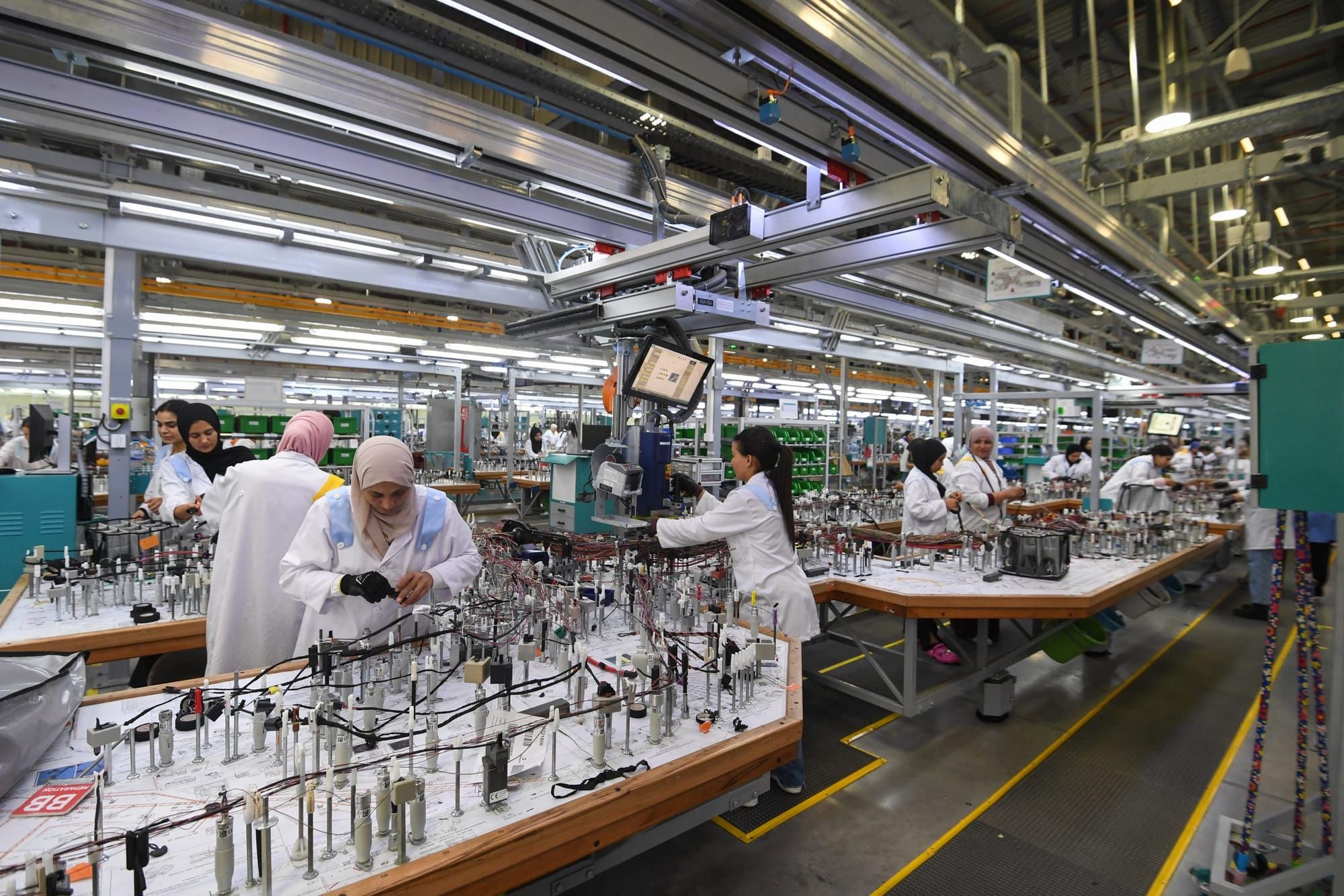
A new study by the Tunisian Institute of Competitiveness and Quantitative Studies highlights both the progress and the challenges facing Tunisian companies as they move toward digital transformation and artificial intelligence.
The study found that although Tunisia’s digital transition is accelerating, only 7.8 percent of Tunisian companies currently have a high level of digital maturity and are truly ready to integrate artificial intelligence on a large scale.
The main obstacles remain structural. According to the study, 70.9 percent of surveyed companies identified limited financial resources as the main barrier to adopting new technologies. Another 63.3 percent cited a lack of digital skills, while 58 percent pointed to internal resistance to change.
These findings suggest that the challenge goes beyond simply acquiring digital tools. Companies also need to modernize their management practices, strengthen their internal systems, and build a stronger culture of innovation.
Digital Transformation Is Already Underway
Despite these challenges, many Tunisian businesses have already taken important steps toward digitalization. The study found that 76.2 percent of private companies have a website or presentation page, 72.5 percent use digital management solutions, and 60 percent rely on collaborative platforms for communication and internal work.
However, digital progress remains uneven across business functions. Administrative services, production, and sales are more digitally advanced than human resources or information systems, revealing major differences within the same organizations.
A Gap Between Digital Awareness and Innovation
The study also points to a significant gap between how companies view digital technology and how they use it in practice. While 86 percent of companies believe that digital technologies support innovation, only 19 percent said they had carried out at least one innovation-related activity.
Only 11 percent of companies have benefited from public support programs for research and development, showing that more needs to be done to turn digital potential into stronger innovation and competitiveness.
Five Levels of Digital Maturity
The study divided Tunisian companies into five categories based on their level of digital maturity and their ability to absorb new technologies.
It found that 40.1 percent of companies have a fragile capacity to absorb digital technologies, while 32.5 percent still have largely underused digital potential. Another 13.7 percent use technology mainly for operational purposes. Only 7.8 percent have reached a high level of digital maturity, while 5.8 percent have a very weak capacity to absorb new technologies.
These figures show how diverse Tunisia’s business landscape is when it comes to digital transformation and AI readiness.
How Tunisia Can Accelerate the Shift
To overcome these barriers, the study recommends stronger investment in digital skills, particularly in data science and artificial intelligence. It also calls for modernizing information systems and building stronger partnerships between companies, universities, and research centers.
The study also stresses the need for more financing mechanisms dedicated to digital transformation and innovation, so that Tunisian companies can move to the next stage.
The goal is to strengthen the competitiveness of Tunisia’s economy and speed up the integration of advanced technologies into innovation, productivity, and business performance.