
Sidi Bou Saïd UNESCO bid faces July vote in Busan
Sidi Bou Saïd’s bid for World Heritage status is due to be examined in July by UNESCO’s World Heritage Committee, in a decision that could give the village separate recognition from nearby Carthage
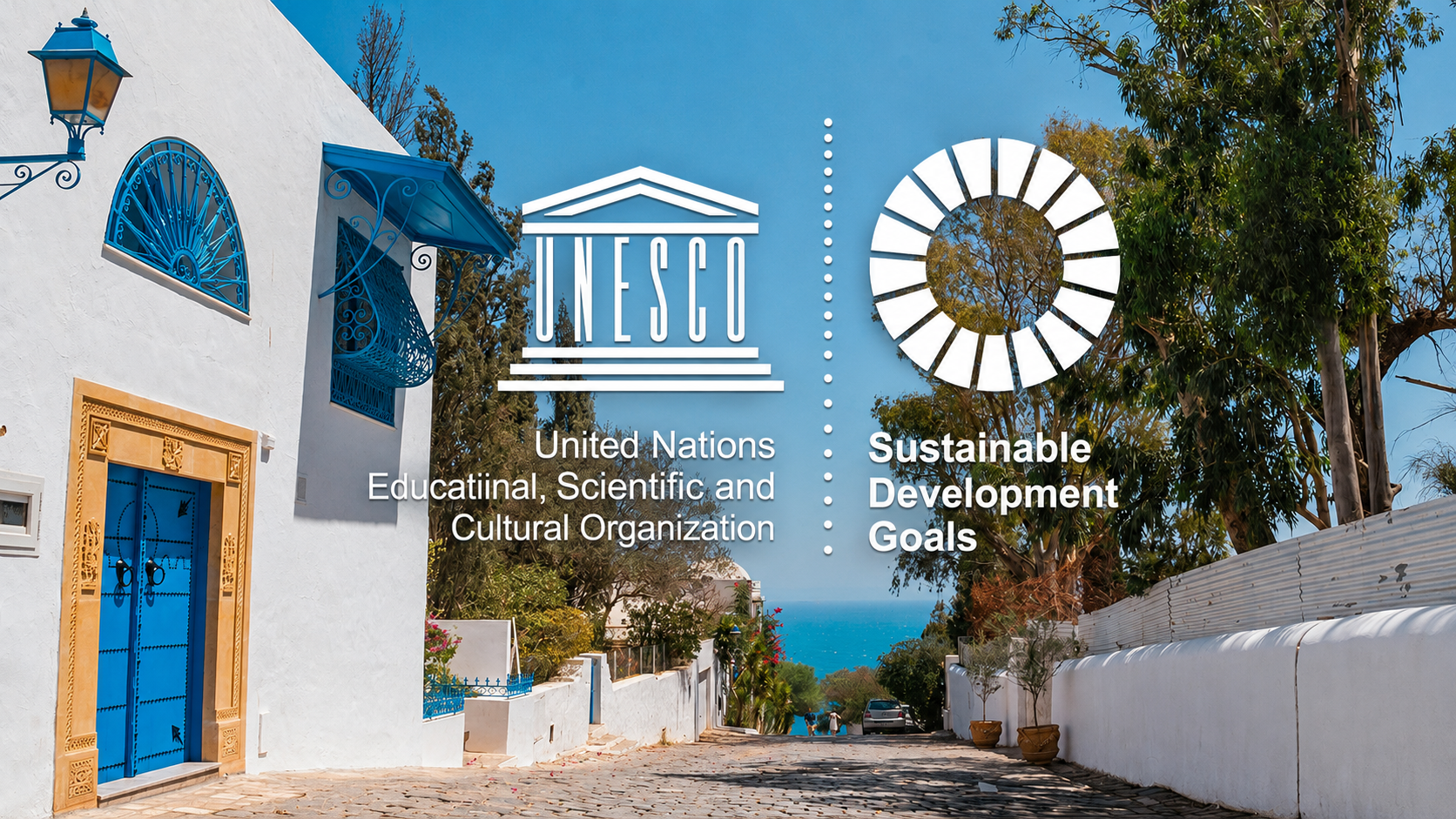
Sidi Bou Saïd’s bid for UNESCO World Heritage status is expected to be examined between 24 and 26 July during the 48th session of the World Heritage Committee in Busan, South Korea.
If approved, the village would become Tunisia’s ninth World Heritage site and the country’s first new inscription since Dougga in 1997.
The Busan session runs from 20 to 29 July, preceded by an opening ceremony on 19 July. UNESCO says the committee will examine 30 new nominations, proposals concerning three sites already on the World Heritage List and the state of conservation of 147 inscribed sites.
The Sidi Bou Saïd file is titled “Village of Sidi Bou Saïd: centre of cultural and spiritual inspiration in the Mediterranean”.
The nomination is separate from the archaeological site of Carthage, which has been on the World Heritage List since 1979. That distinction matters because Sidi Bou Saïd is often seen through its proximity to Carthage, while the current file seeks recognition for the village’s own architectural, cultural and landscape value.
Sidi Bou Saïd is one of the country’s best known cultural sites. Built on the heights of the northern suburbs of Tunis, it is recognised for its white and blue houses, arched doors, narrow streets, sea views and architectural unity.
Its development is linked to the mausoleum of Abu Saïd al-Baji and to the growth of a village that later attracted religious figures, artists, musicians, writers and notable families from Tunis.
The file rests on UNESCO criteria linked to traditional human settlements and living cultural heritage. That framing helps explain why the bid focuses on the village as a whole, rather than on a single monument.
A successful inscription would give Sidi Bou Saïd stronger international visibility and could support conservation and cultural tourism. It would also bring closer scrutiny of how the village is managed, especially as tourism income sits alongside pressure on streets, traffic, waste, buildings and residents’ daily life.
The key signal before the committee vote will be the evaluation by ICOMOS, UNESCO’s advisory body for cultural heritage nominations. The committee usually follows the advisory recommendation, although the final decision rests with its member states.
The July vote will therefore be watched closely by heritage professionals, tourism operators, local authorities and residents of the northern suburbs.