
Six governorates convene to unblock stalled development projects as 2025 programme falls behind
The Second District council, grouping Tunis, Ben Arous, Ariana, La Manouba, Nabeul and Zaghouan, held a working session on Sunday to identify obstacles holding up projects under the 2025 integrated development programme, signalling fresh urgency as Tunisia prepares to launch its 2026–2030 plan.
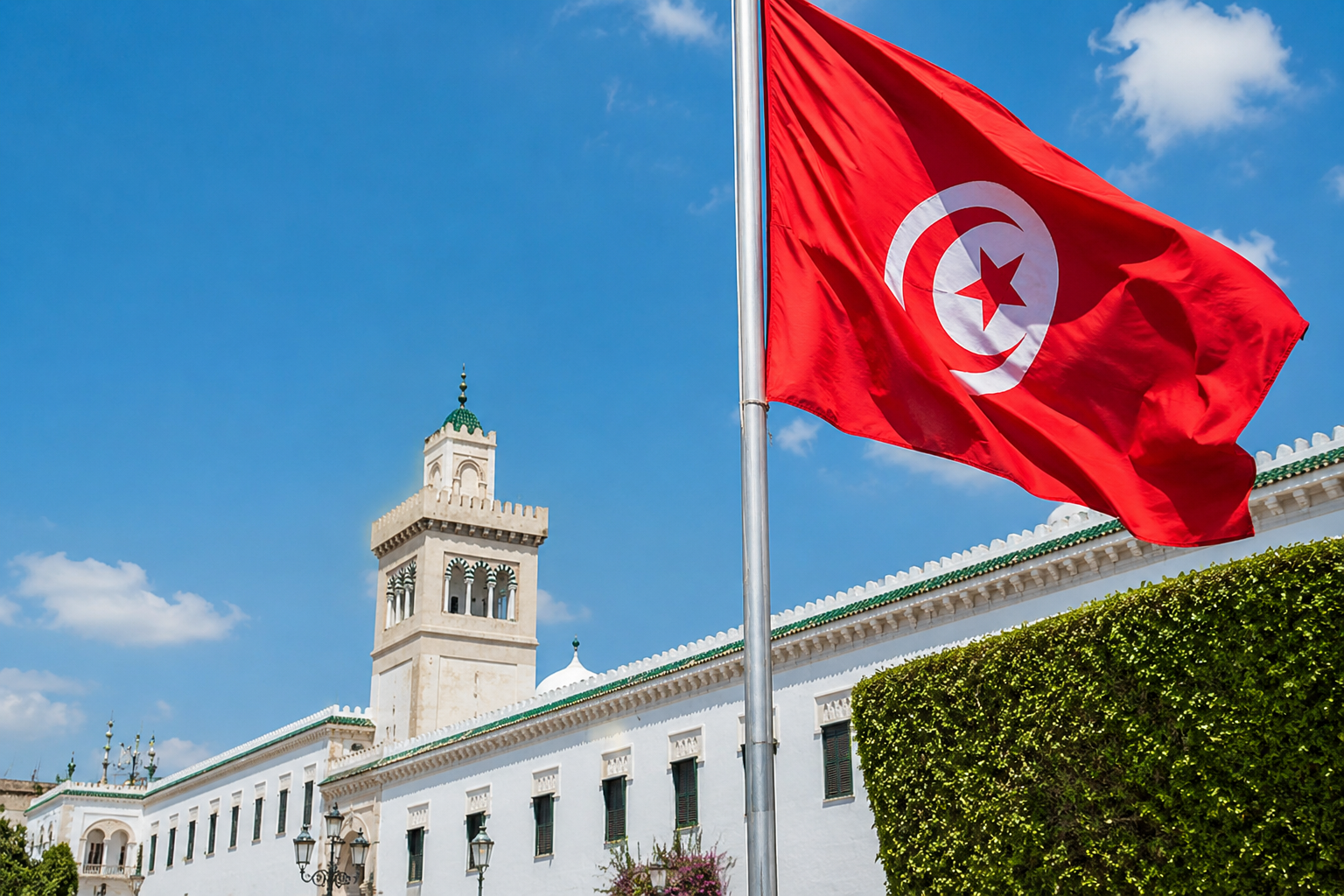
The National Council of Regions and District's second district convened a working session on Sunday 6 July at the La Kasbah municipal headquarters in Tunis to examine stalled development projects and push forward implementation of the 2025 integrated development programme across its six governorates.
The council groups the governorates of Tunis, Ben Arous, Ariana, La Manouba, Nabeul and Zaghouan. Sunday's session brought together the district council with the regional council and the local councils of Tunis governorate, La Presse de Tunisie reported.
Participants reviewed projects held up across the district, identified the main obstacles to their completion and called for faster execution to improve the effectiveness of development spending and meet citizens' expectations, according to La Presse de Tunisie.
The meeting was framed as part of a broader effort to reinforce coordination between local and regional governance bodies operating under Tunisia's decentralised structure.
A district with considerable stakes
The Second District covers 8,162 km², roughly 5.3 percent of Tunisia's total land area, and includes 70 delegations, 483 imadas and 74 municipalities. Its coastline stretches 234 km along the north-east Mediterranean shore, giving the district particular weight in economic, logistics and tourism terms.
Under Tunisia's 2026–2030 development plan, the district has been allocated a portfolio of 4,439 projects worth a combined 28 billion dinars. Of that, 13,555 million dinars cover new investment programmed over the five-year period, while 1,410 ongoing projects carry an estimated 4,824 million dinars in committed spending, Tunisie Numérique reported.
Wider pressure on stalled projects
Sunday's session sits within a sustained push at the national level to clear bottlenecks in public project delivery. Prime Minister Sarra Zaafrani Zenzri chaired a separate cabinet meeting in June at which she called on ministers to ensure projects are fully prepared and feasible before construction begins, and instructed governors to remove administrative, technical and land-related obstacles, the Tunisian state news agency TAP reported via Zawya.
At that meeting, Zenzri noted that state budget allocations for public investment rose from 4.7 billion dinars in 2023 to 6.5 billion dinars in 2026. Economy and Planning Minister Samir Abdelhafidh had previously described stalled projects as "a national concern."
Tunisia's 2026–2030 development plan, which covers 21,100 projects and programmes with a total investment envelope of 101.835 billion dinars, entered parliamentary review at the end of June. The plan targets average annual growth of 4.2 percent in real terms and aims to reduce the poverty rate to below 15 percent by 2030, the minister told deputies.
No communiqué on the outcome of Sunday's Second District session had been published at the time of writing.