
Sudan's third cholera wave kills 120 since May as rainy season threatens wider spread
The World Health Organization warned on Wednesday that a new cholera outbreak in Sudan's war-ravaged Kordofan region has killed 120 people and infected more than 1,100 since May, with cases already spreading to a second state and the rainy season set to accelerate transmission.
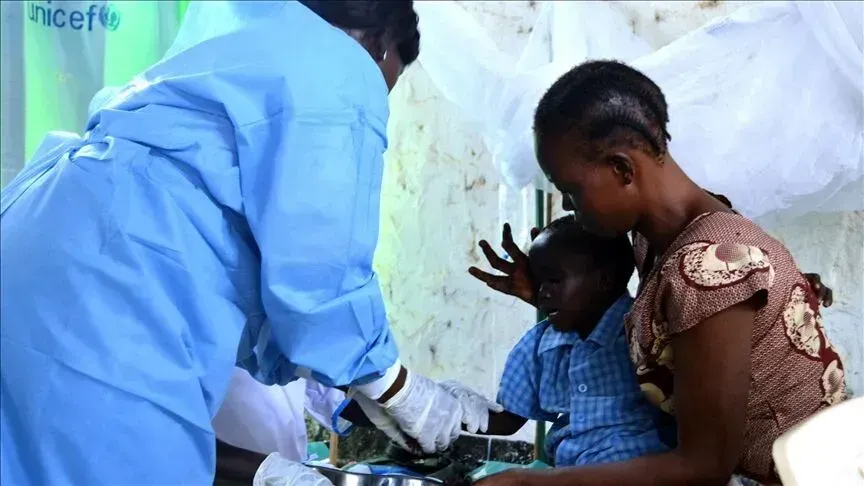
A new cholera outbreak in Sudan has killed 120 people and produced 1,102 suspected cases since May, the World Health Organization said on Wednesday 1 July, warning that the disease is already spreading beyond its epicentre in West Kordofan as the country's rainy season approaches its peak.
The outbreak is Sudan's third wave of cholera in as many years, and began only two months after the previous outbreak was declared over in March. Sudan declared the end of that earlier wave on 3 March 2026, after 48 consecutive days without a reported case; it had infected 124,418 people and killed 3,573, according to WHO figures.
Kordofan flashpoint
The Sudanese government declared the latest outbreak this week in West Kordofan state, the dividing line between army and paramilitary zones of control. Constant deadly drone strikes launched by both sides have made commercial and aid access to the Kordofan region increasingly dangerous, and brought hundreds of thousands to the brink of starvation.
The WHO said the outbreak appears to be spreading, following reports of close to 300 suspected cases and three deaths in neighbouring North Kordofan, where the United Nations has warned the RSF is preparing to mount a deadly ground assault on state capital El-Obeid. Drone strikes on the city's power stations are already "disrupting access to lifesaving drinking water and electricity," UN humanitarian chief Tom Fletcher said on Tuesday, warning of the risk of mass atrocities.
A broken health system
More than three years of war between Sudan's army and the paramilitary Rapid Support Forces (RSF) have decimated the country's health care system. Forty percent of health facilities are non-functional at all, and the remaining almost 60 percent are only partially functioning, WHO Representative to Sudan Dr Shible Sahbani told reporters.
Cholera used to come to Sudan "in a cyclic manner every three years," Sahbani said. The country now faces near-continuous outbreaks "due to the conflict, constraints in access and limited supplies."
Sudan's rainy season is set to surge in the coming weeks, during which cholera cases balloon as millions lack access to clean water and the rains further impede humanitarian access.
Scale of the crisis
Three years into the war, aid groups estimate it may have killed more than 200,000 people, and nearly all of the country's hospitals have been forced entirely or partially out of service.
Sudan is also the world's largest displacement crisis, with an estimated 13.6 million people uprooted by the fighting — around 9.3 million internally displaced and a further 4.3 million seeking refuge in neighbouring countries. Overcrowded living conditions, poor sanitation and disrupted services have fuelled outbreaks of cholera, malaria, dengue and measles across much of the country.
Since April 2023, WHO has delivered over 3,300 metric tonnes of medicines and medical supplies to Sudan, including supplies for cholera, malaria, nutrition and trauma care. The organisation has called for unrestricted and safe access to all areas of Sudan and for sustained humanitarian and long-term funding.
This is a developing story.