
The dinar holds, for now
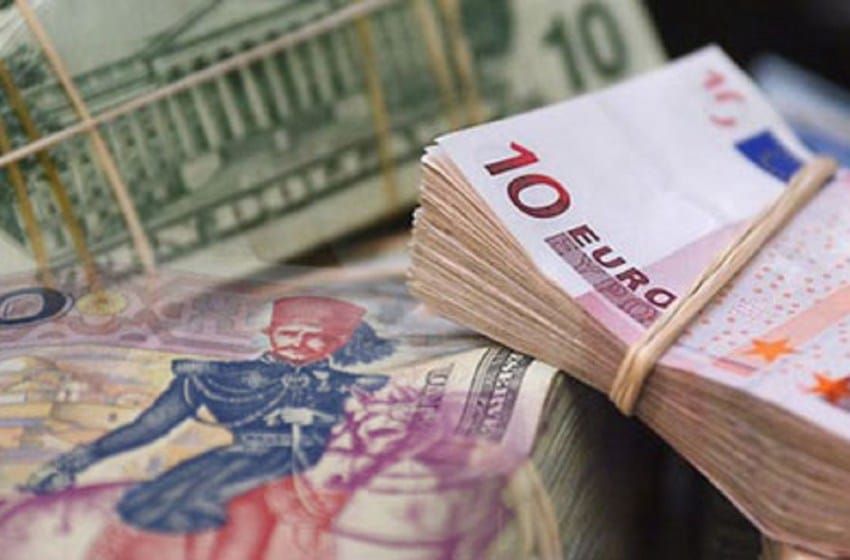
The Tunisian dinar has remained broadly stable against the euro and the dollar in recent weeks, supported by stronger foreign currency reserves and seasonal inflows, but the currency’s performance remains tied to some of the most sensitive pressures in the economy.
Current market rates put the euro at around TND 3.37 and the dollar at around TND 2.91, according to recent exchange rate data. The movements have been limited, with the dinar showing relative stability against the euro and some support against the dollar compared with last year.
The relative calm comes as net foreign currency reserves have improved. BCT data reported by Tunisian media showed reserves exceeding TND 25.6 billion on May 15, equivalent to about 105 days of imports. That compared with around TND 23 billion, or 99 days of imports, at the same point last year.
The improvement gives the Central Bank more room to manage the foreign exchange market, but it does not remove the pressures behind it. Tunisia still needs foreign currency to pay for energy, cereals, medicines, industrial inputs and external debt. The dinar remains a restricted currency, and the BCT intervenes in the foreign exchange market mainly to cover banks’ short positions in foreign currency.
Several factors have helped the currency. Tourism receipts and transfers from Tunisians abroad remain key sources of foreign exchange. Olive oil exports have also provided strong support this season, with ONAGRI figures showing export revenues of about TND 3.64 billion between November 2025 and April 2026. Those inflows matter because they strengthen supply of foreign currency at a time when import demand remains high.
The dollar side of the story has also helped. In 2025, the dinar appreciated on average against the U.S. dollar while remaining broadly stable against the euro, according to Tunisian reporting based on official data. A weaker dollar internationally can ease some pressure on import costs and debt payments denominated in dollars, although Tunisia remains exposed to shifts in global markets.
The BCT has kept monetary policy cautious. Trading Economics reported that the Central Bank kept its key interest rate unchanged at 7 percent at its February 2026 meeting, after earlier cuts. Inflation had eased at the start of the year, but rose again to 5.5 percent in April from 5 percent in March, keeping pressure on household purchasing power.
For households, the dinar’s performance is felt less through exchange rate charts than through prices. A stable dinar can help reduce imported inflation, especially for food, fuel and goods priced in foreign currency. But it does not immediately reverse earlier price increases, and inflation remains a major concern for families.
For businesses, the picture is mixed. Importers benefit from exchange rate stability, especially when planning purchases in euros or dollars. Exporters benefit from stronger foreign demand and foreign currency receipts, but a more stable dinar can also reduce the local currency value of some export revenues. Companies with foreign currency debt or imported inputs remain especially sensitive to any sudden movement.
The currency debate is now linked to the reform of the Code des changes. Parliament is examining proposed Law No. 115 of 2025, which aims to modernise rules on foreign currency accounts, transfers, exchange residency, payment channels and sanctions. Business organisations want a more flexible framework for exporters, investors, startups and freelancers. Financial authorities are expected to keep safeguards because wider access to foreign currency could increase pressure on reserves if not carefully managed.
That is the main tension around the dinar. Tunisia needs more openness to attract investment, support service exports and bring foreign income into formal channels. It also needs to protect reserves in a low trust economy where households and businesses may prefer to hold euros or dollars if controls are loosened too quickly.
The next few months will test that balance. Tourism receipts usually strengthen in the summer, while imports and energy needs can also rise. Olive oil exports have already supported the trade balance, but the next agricultural season will depend on weather and water stress. External debt payments and global commodity prices will continue to shape reserve levels.
For now, the dinar’s stability is a positive signal. It suggests that reserves, inflows and monetary policy are holding the line. But it is not yet a sign of deep strength. The currency remains supported by controls, cautious management and seasonal receipts.
The real test is whether Tunisia can turn that stability into something more durable: stronger exports, higher investment, more predictable foreign exchange rules and less dependence on temporary inflows.