
The Gulf war's bill has arrived in North Africa
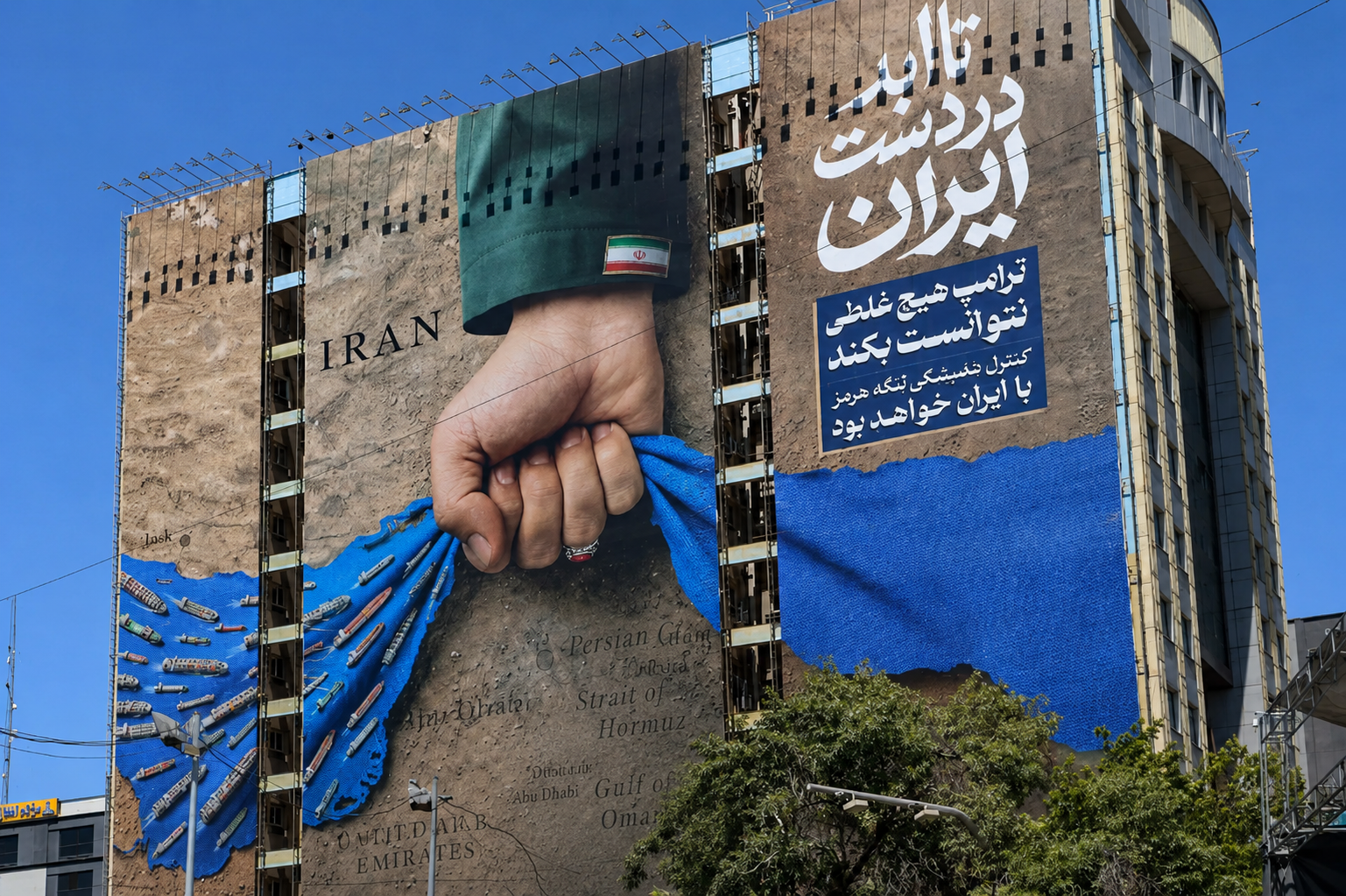
The war between the United States, Israel and Iran that began on 28 February closed the Strait of Hormuz to most shipping for weeks, sent Brent crude toward 120 dollars a barrel in March, and produced what the International Energy Agency called the largest supply disruption in the history of the oil market. A ceasefire took hold in April, a memorandum on safe passage followed in June, and by early July prices have ground back down toward their prewar levels as stranded cargoes clear.
The headlines have moved on. The bill has arrived, and in North Africa it is being paid unevenly, in ways that will shape the region's politics long after the tankers resume their routines.
An importer's war
For an energy importing state like Tunisia, a Gulf conflict is a direct raid on the treasury. Fuel and gas arrive at world prices, are sold domestically at subsidised ones, and every dollar added to a barrel widens a fiscal gap the state has no room to absorb. The months of triple digit crude fed straight into the compensation fund, into electricity generation costs, and into the price of moving anything by road.
Food travelled the same channel. Tunisia imports the bulk of its wheat, and grain prices track freight, fuel and insurance costs, all of which spiked when carriers began avoiding the Red Sea and rerouting around the Cape while war risk premiums multiplied. The kitchen table inflation that follows such shocks lands hardest on households already stretched, and it lands months after the ceasefire, which is roughly now.
Tourism, the other exposed flank, held its breath through the spring. A Mediterranean season can survive distant wars, and this one appears to have done so, but the airlines' jet fuel costs have been passed into ticket prices, and a European consumer squeezed by their own energy bills books fewer holidays. The summer numbers will tell that story by September.
The Maghreb's winners and losers
The war quietly redistributed fortune across North Africa. Algeria, as a gas exporter outside the Gulf, spent the crisis fielding calls from European buyers desperate to diversify away from Hormuz, with Asian LNG spot prices up more than 140 percent after Qatari capacity was hit. Every crisis that raises hydrocarbon prices refills Algiers' reserves and postpones its reckoning with economic reform.
Egypt banked transit fees and strategic relevance whenever shipping returned to the Suez route, while suffering on its own gas and wheat imports. Libya's oil, outside the Gulf and close to Europe, became more valuable overnight, which partly explains the intensity of Washington's current diplomatic investment there. Morocco and Tunisia, importers both, simply paid.
The lesson for Tunis is uncomfortable: in every global energy shock, the Maghreb's exporters gain leverage and its importers lose fiscal sovereignty, and the gap between Algerian and Tunisian room for manoeuvre widens another notch.
What a small importer should learn
Tunisia cannot influence events in the Gulf and should stop pretending its diplomacy there matters more than its balance sheet. What it can do is reduce the transmission channel between a strait 5,000 kilometres away and the price of bread in Kairouan.
That means treating the renewable programme as a security policy rather than a donor pleasing exercise, since every megawatt of domestic solar is a barrel not bought at panic prices. It means storage: strategic fuel and grain reserves sized for a real crisis rather than an accounting exercise. It means locking long term supply contracts when markets are calm instead of buying spot when they burn. And it means an honest subsidy reform that protects households while ending the fiction that the state can absorb world prices indefinitely.
None of this is new advice. What is new is the demonstration. The region has now watched a two month war in the Gulf reprice bread, electricity and summer holidays across the Mediterranean. The next shock is a matter of when. The only question Tunisia controls is how exposed it chooses to be standing when it comes.