
Three years on, the migration deal has filled only one column of the ledger
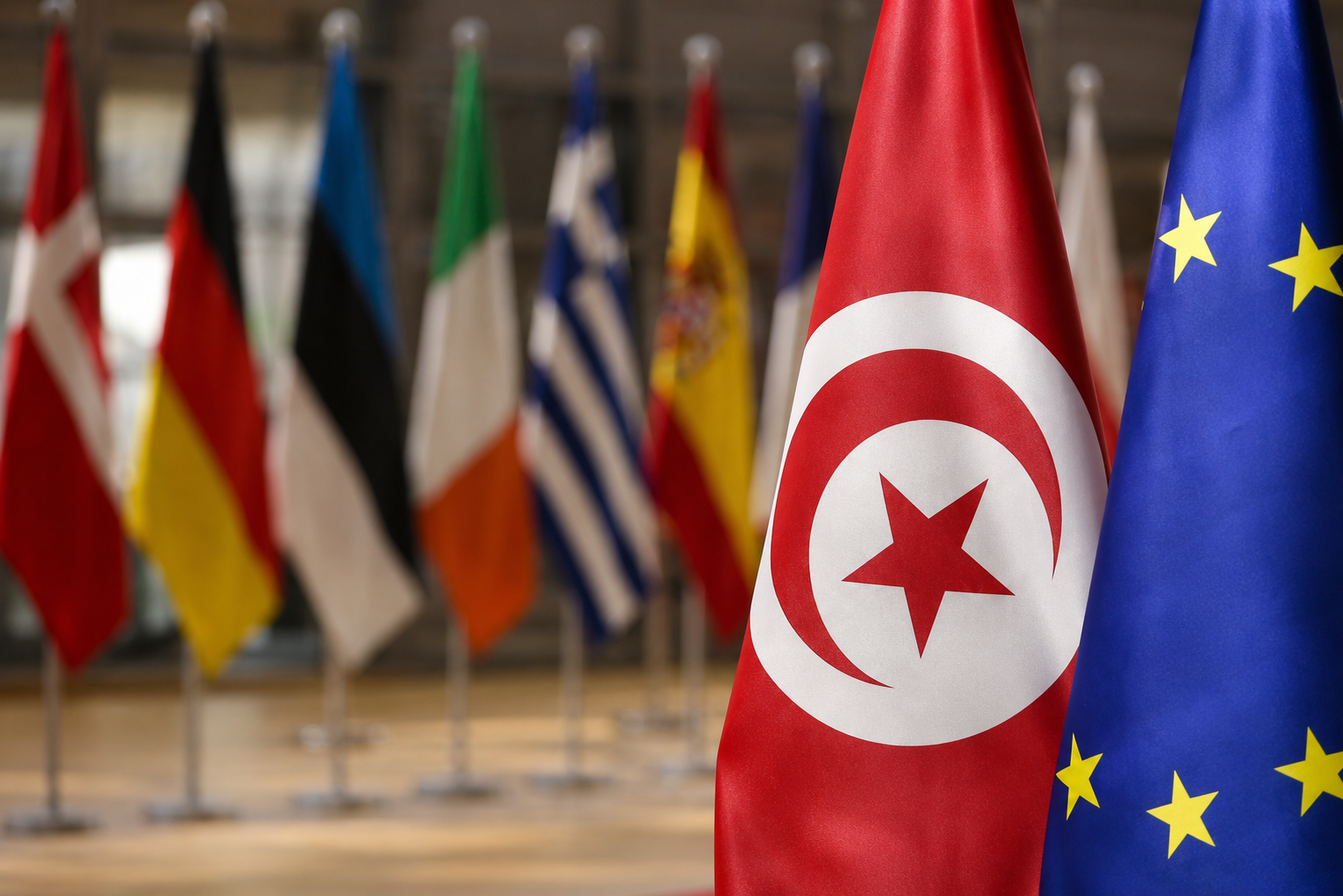
The memorandum of understanding signed between Tunisia and the European Union in July 2023 turns three this month. It was presented in Tunis and Brussels as a comprehensive partnership covering five pillars: macroeconomic stability, trade and investment, energy, migration, and people to people contacts. Three years is long enough to audit it, and the audit is uncomfortable reading for both signatories.
What was promised
The package announced alongside the memorandum carried a headline figure of just over 1 billion euros. The structure told the real story. Around 105 million euros was earmarked for migration management: boats, radars, training and equipment for the Tunisian coastguard and national guard. A budget support tranche of 150 million euros followed. The largest component, some 900 million euros in macrofinancial assistance, was conditional on an IMF programme that Tunisia's president had already publicly rejected as foreign diktat. That money never moved.
So the operative deal, stripped of communiqué language, was always narrower than advertised: Europe funds interception, Tunisia slows departures. The other four pillars supplied the diplomatic upholstery.
What was delivered
On its own terms, the deal produced results Europe considers successes. Departures from the Tunisian coast toward Italy fell sharply from their 2023 peak, and Rome has repeatedly cited the Tunisia model as proof that externalised border management works. Equipment arrived. Coastguard interceptions rose. The budget support was disbursed.
The costs landed elsewhere. Amnesty International documented this month how refugees and asylum seekers in Tunisia, particularly Black Africans, face arbitrary arrest, collective expulsion to desert borders, and indefinite detention without judicial review. The number of people registered with UNHCR in Tunisia collapsed from over 18,000 in mid 2024 to around 7,500 by April this year after registration was suspended, leaving people fleeing Sudan, Syria and Somalia with no legal existence at all. The organisations that once assisted them have been raided and prosecuted.
Europe's response to this record has been procedural silence. The European Commission answers parliamentary questions about the memorandum by pointing to human rights clauses that carry no enforcement mechanism. The money keeps flowing because the boats keep slowing.
What it bought, and what it cost
A ledger needs both columns. Europe bought a quieter central Mediterranean and a talking point for its domestic politics. Tunisia's government bought fiscal breathing room and international relevance at a moment of deep isolation.
The costs are structural and they compound. First, the deal reduced a sixty year relationship spanning trade, education, energy and culture to a single transactional question, and both sides now behave accordingly. Second, it handed Tunis permanent leverage: any tightening of European criticism can be answered by loosening the coast, a dynamic Europe already knows well from its arrangement with Turkey. Third, it associated the European Union, in the eyes of a generation of Tunisians and sub Saharan Africans, with the desert expulsions its own agencies have documented.
The deepest cost is the opportunity one. Three years of political capital, summitry and money went into managing the symptom of Tunisia's crisis while its causes, a stagnant economy, a collapsing state capacity, an exodus of doctors and engineers through the airports rather than the beaches, went unaddressed. Skilled emigration through legal channels now outstrips irregular departures as a drain on the country's future, and no memorandum mentions it.
An honest third anniversary review would keep what functions, the practical cooperation on rescue at sea, and renegotiate the rest around the pillars that were promised and shelved: investment, energy, mobility. Both governments will prefer to renew the arrangement quietly and declare it a success. On the evidence of three years, it is a success in the way a dam is a success, holding back pressure that keeps building behind it.