
Tunis puts the medina and heritage at the centre of its tourism push
The municipality of Tunis has convened a multi-ministry meeting to sharpen the capital's cultural tourism offer, with plans to rehabilitate the medina's tourist circuit, clean up the urban fabric and coordinate more closely across the bodies responsible for the UNESCO-listed old city.
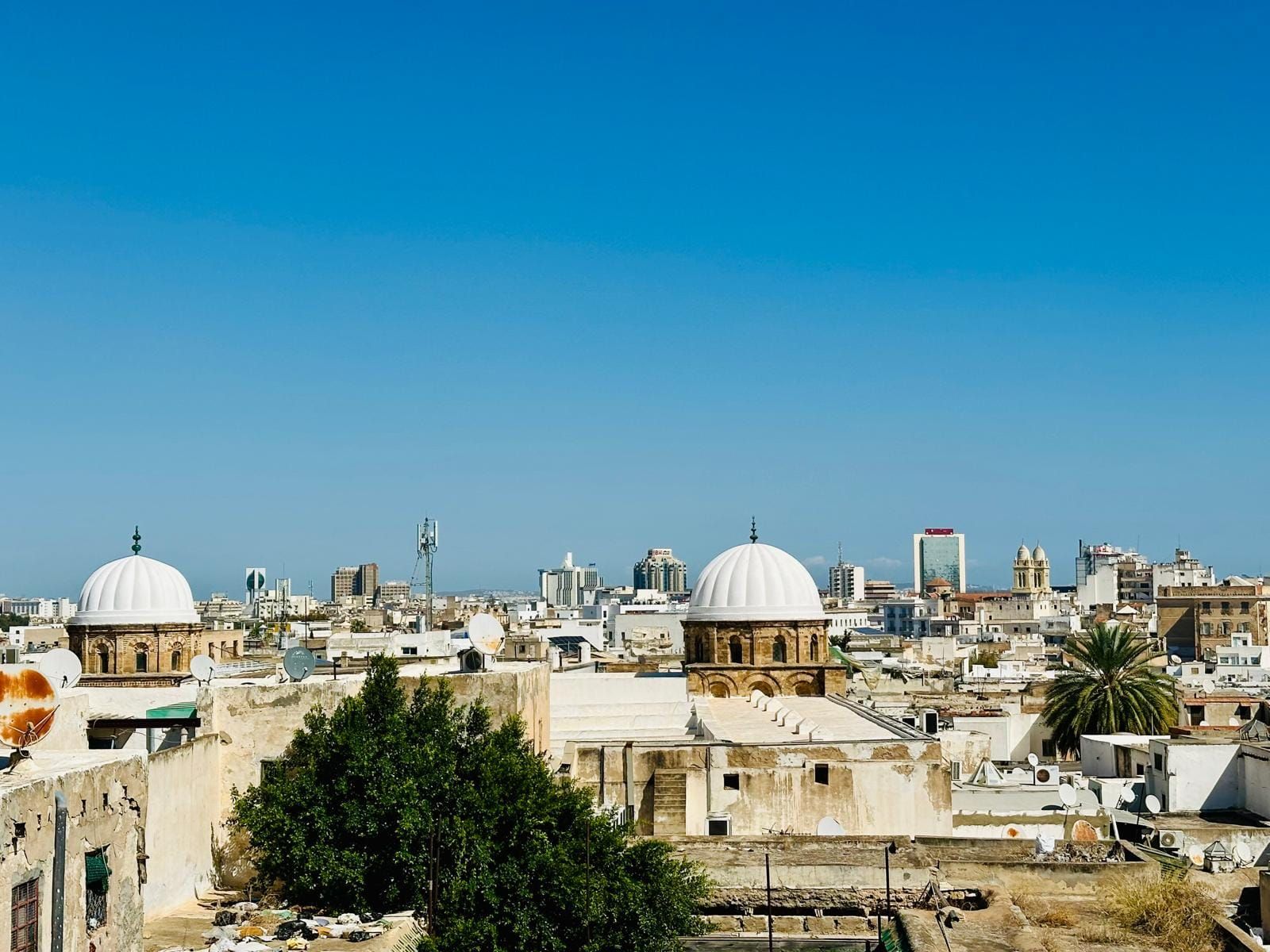
The municipality of Tunis held a coordination meeting on Tuesday 10 June to advance a strategy placing the medina and heritage at the heart of the capital's tourism identity, La Presse de Tunisie reported.
The session was chaired by Samah Daldoul, the inspector-general acting as head of management of the municipality of Tunis, who took up the post in February 2026. Representatives of the ministries of the Interior and of Tourism attended, alongside the Regional Delegation for Cultural Affairs, the Agency for the Development of Heritage and Cultural Promotion (AMVPPC), and the Association for the Safeguarding of the Medina (ASM), which was founded by the municipality in 1967 to preserve the historic city and integrate it into the wider urban fabric of Tunis.
The measures under discussion include cleanliness campaigns, improvements to the urban environment, maintenance of commercial building facades, and the enhancement of the medina's tourist circuit. The medina of Tunis has been a UNESCO World Heritage Site since 1979. It contains more than 700 monuments — mosques, mausoleums, palaces, madrasas and fountains — within its historic core, including the Great Mosque of Ez-Zitouna, founded in the 8th century.
Participants underlined the need for close coordination and a participatory approach among all bodies involved, La Presse reported, with the aim of strengthening Tunis's image and increasing its cultural and tourist attractiveness.
A wider push for cultural tourism
The meeting sits within a broader shift in Tunisian tourism policy. An Italy-Tunisia cross-border cooperation project, In-Situ, launched a field visit to Tunis on 8 June, targeting the Subur neighbourhood of the medina and the historic town of Zaghouan for creative and experiential tourism development, Kapitalis reported. That project is co-financed by the European Union under the Interreg Next Italy-Tunisia 2021–2027 programme, with a total budget of just over 1.08 million euros, of which around 979,000 euros comes from EU funds.
Separately, the ASM announced on 8 June a call for architecture and urban planning students to take part in an inventory of the built heritage of the medina's consular quarter. Applications close on 17 June 2026, with fieldwork and digitisation planned from August to October.
Industry voices have been making a parallel case. Mohamed Halouani, president of the Cultural Group within the Tunisian Federation of Hotel Industries (FI2T), said in May that cultural tourism offers a way to diversify visitor profiles, attract higher-spending travellers and reduce dependence on the coastal beach model, which is concentrated on the shoreline and constrained by seasonal patterns. Tunisia's heritage assets — Carthage, El Jem and the Medina of Tunis — give the country a strong foundation for that ambition, Halouani said.
International recognition building
Tunis has registered growing attention in international travel media in 2026. The New York Times and Switzerland's NZZ am Sonntag have each published features on the capital this year, highlighting the medina alongside contemporary arts, food and relatively low visitor costs. The Swiss market recorded growth of 17.6 percent to end-July 2025, one of the higher rates among European source markets, La Presse reported in March.
The June coordination meeting signals that municipal and national bodies intend to match that external momentum with visible improvements on the ground — though whether cleaner streets and a strengthened tourist circuit will translate into a measurable increase in cultural visitor numbers will depend on sustained follow-through from all the agencies at the table.