
Tunisia moves closer to creating its first official marine reserves
Draft regulations covering four island ecosystems have been submitted to the prime minister’s services, with one site expected to receive protected status first.
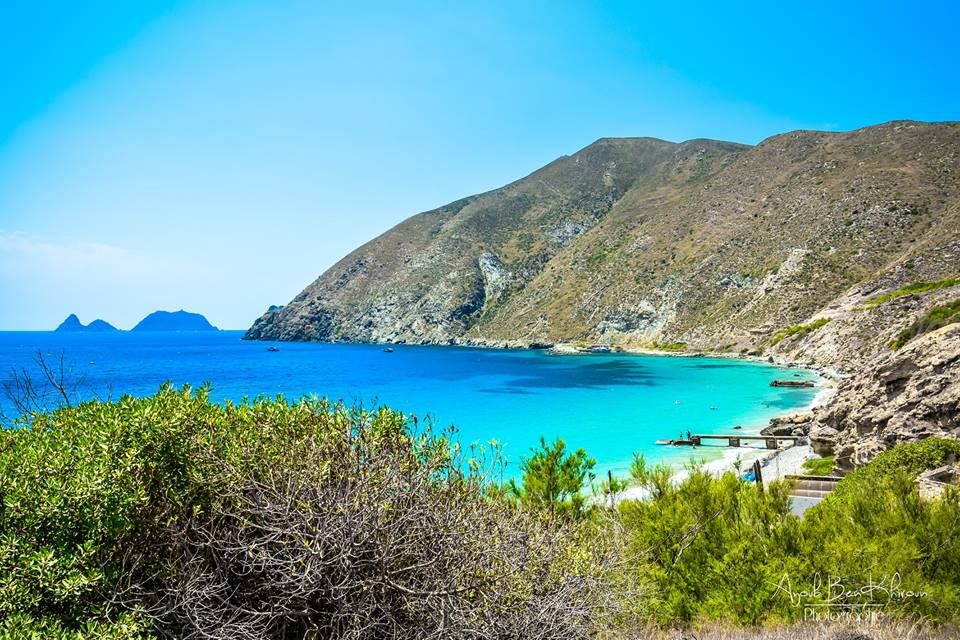
Tunisia is preparing to establish its first officially designated marine and coastal reserve, with four ecologically important island areas under consideration.
The proposed sites are La Galite in northern Tunisia, Zembra and Zembretta off Cap Bon, the Kuriat Islands near Monastir and the Kneiss Islands in the governorate of Sfax.
Mehdi Belhadj, the acting director-general of the Coastal Protection and Planning Agency, known as APAL, said the necessary regulatory texts had been sent to the services of the Presidency of the Government.
The texts are expected to be published in the Official Gazette once the remaining administrative process is completed. One of the four sites would receive the country’s first formal marine-reserve designation, although the final choice is still being discussed with departments including the agriculture and defence ministries.
Four sensitive ecosystems
Each of the sites contains habitats considered important for Mediterranean biodiversity.
La Galite is an isolated northern archipelago surrounded by extensive marine habitats. Zembra and Zembretta form part of a protected natural area off the Cap Bon peninsula.
The Kuriat Islands provide an important nesting and reproduction area for sea turtles, while Kneiss is recognised as a major habitat for migratory birds and coastal wildlife.
Official designation would provide a stronger legal basis for controlling activities that place pressure on the sites, including pollution, excessive exploitation of marine resources and damage to sensitive habitats.
APAL is the public body responsible for preserving Tunisia’s coastline, managing the public maritime domain and overseeing marine and coastal protected areas. The Environment Ministry has previously included the creation of such reserves within Tunisia’s national plans for coastal adaptation and the protection of marine ecosystems.
Belhadj said formal recognition could also help Tunisia obtain international funding for conservation, scientific research and the sustainable management of its coastline. Protected areas can additionally support the recovery of fish stocks and carefully managed forms of ecological tourism.
Further projects are being prepared for Kerkennah, Ras Rmel in Djerba and Cap Negro in north-western Tunisia. The government’s stated objective is to develop a wider national network of protected marine and coastal ecosystems.
The date for publication of the first designation and the site selected have yet to be announced.