
Tunisia Moves Toward a Cleaner Future with Proposed Ban on Single-Use Plastic Bags
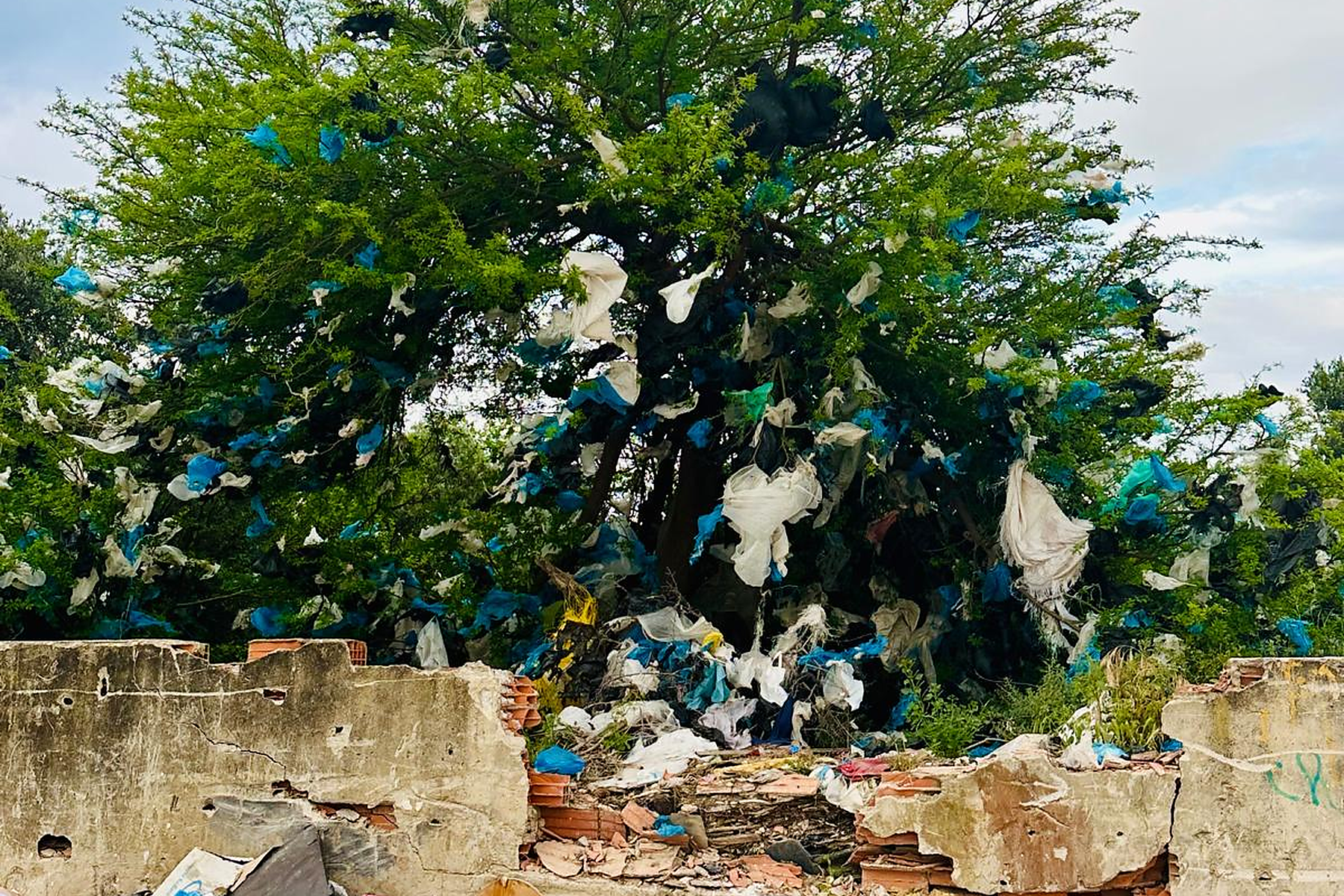
A group of 25 members of Tunisia’s Assembly of People’s Representatives has submitted a legislative initiative aimed at combating plastic pollution and imposing a strict ban on single-use plastic bags.
If adopted, the proposed law could have a significant environmental impact in Tunisia. The country consumes around 4.2 billion plastic bags every year, equivalent to nearly 400 bags per person, a level considered high compared with European averages.
Tunisia also generates nearly 188,000 tons of plastic waste annually, out of more than 2.5 million tons of household waste. Around 60 percent of plastic waste is not properly treated, while recycling remains largely insufficient.
In the Mediterranean, more than 84 percent of waste found at sea is plastic-based. This pollution directly threatens tourism and fishing, two vital sectors for Tunisia’s economy. The environmental and economic cost is estimated at more than $20 million annually.
The proposed law includes 23 articles divided into seven chapters and gives economic actors limited time to adapt.
Once the law enters into force, the distribution of single-use plastic bags at checkout counters would be banned, whether they are provided free of charge or sold.
Manufacturers and importers would then have a maximum grace period of 12 months from the law’s publication in the Official Gazette to stop producing or importing such bags. The same deadline would apply to plastic packaging for food products and items sold in bulk.
To prevent loopholes, the draft law sets clear technical standards. Only two types of bags would remain authorized: reusable bags, which must be at least 50 microns thick and withstand at least 20 uses; and biodegradable bags, which must decompose by 90 percent within six months in an industrial environment and leave no microplastics behind.
The MPs also propose support measures to help manufacturers convert their production lines. The state would mobilize subsidized loans and tax incentives to support this transition.
The draft law also introduces the principle of “Extended Producer Responsibility,” requiring companies to take responsibility for the environmental management of their products through the end of their life cycle.
The sanctions would be significant. Fines would range from 5,000 to 50,000 Tunisian dinars, with confiscation of products in cases of violation. Penalties could double in cases of repeat offenses and may lead to the closure of the establishment concerned.
The bill also provides for prison sentences ranging from six months to two years for the illegal production or importation of banned bags.
Once adopted, this new framework would replace all existing provisions, including the 2020 decree, and give Tunisia a single, binding legal framework to address plastic pollution.