
Tunisia’s olive oil exports surge, but the branding problem remains
Tunisia’s olive oil exports have surged in the first half of the 2025 to 2026 campaign, giving the country one of its strongest foreign currency stories of the year. But the latest figures also confirm a familiar weakness: most Tunisian olive oil is still leaving the country in bulk.
Between November 2025 and April 2026, Tunisia exported 295,400 tonnes of olive oil, up from 180,200 tonnes during the same period last season, according to ONAGRI figures reported this week. Export revenues reached about TND 3.64 billion, an increase of 49.2 percent despite a decline in average export prices.
The numbers confirm Tunisia’s strong position in the global olive oil market after a favourable harvest. Earlier this season, the International Olive Council estimated national production at around 500,000 tonnes, placing Tunisia among the world’s largest producers and behind only Spain in the 2025 to 2026 campaign.
Spain, Italy and the United States remain among the main destinations for Tunisian olive oil. In the first three months of the campaign, Spain accounted for 30.9 percent of exported quantities, followed by Italy with 18.9 percent and the United States with 16.8 percent, according to ONAGRI data reported by TAP.
The sector is now performing an important role in the country’s external accounts. Olive oil exports bring in foreign currency at a time when Tunisia is still managing pressure on reserves, public finances and imports. The strong campaign has also helped support the food trade balance, where olive oil remains one of the country’s most valuable agricultural exports.
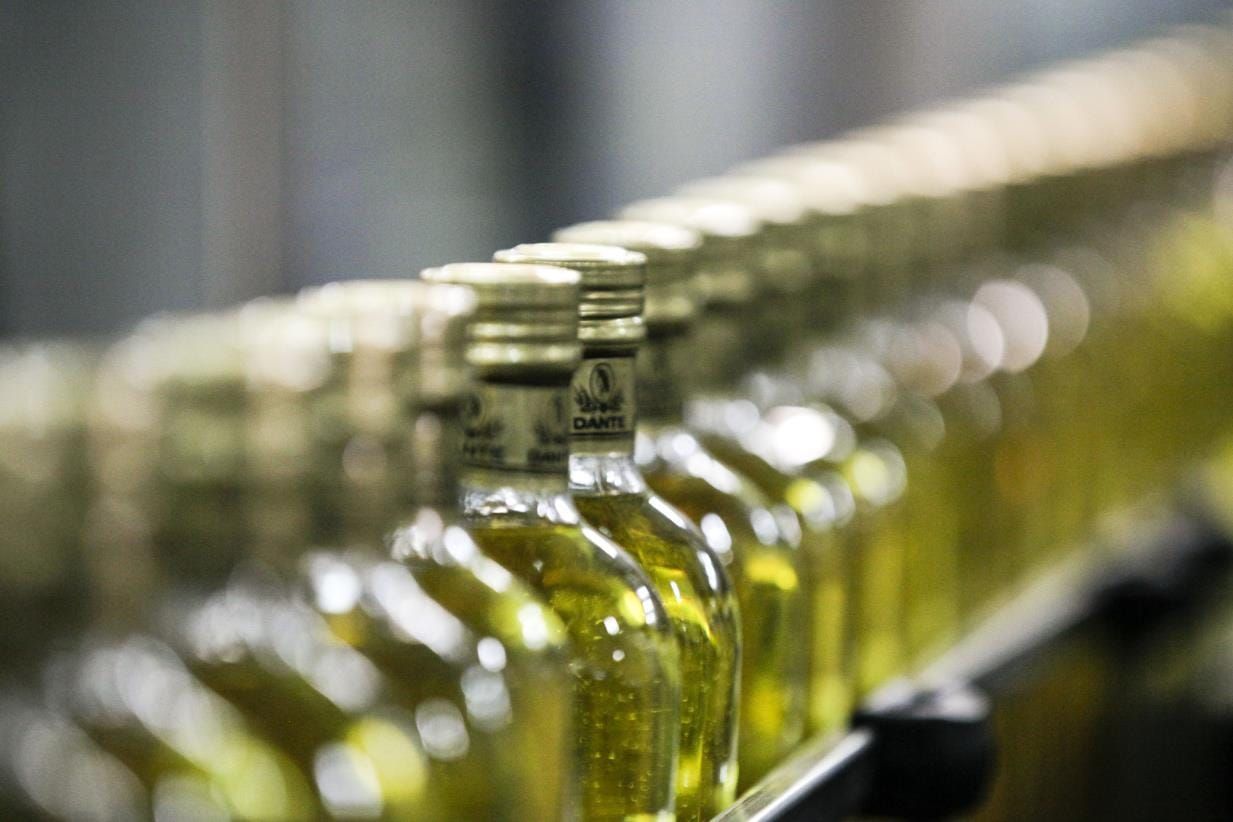
But the structure of exports remains a problem. According to ONAGRI, packaged olive oil accounted for only 12.5 percent of total exported quantities in the first six months of the campaign. The rest, 87.5 percent, was shipped in bulk.
That means Tunisia is selling large volumes of olive oil, but still capturing less of the final value than it could. Bulk oil is often exported to European markets, then blended, bottled, branded and sold under foreign labels. Tunisian producers earn from volume, but the higher margins linked to packaging, branding, traceability and retail recognition are often captured elsewhere.
The issue is not new. Tunisia has long been known inside the industry as a major supplier of quality olive oil, including extra virgin and organic oil, while remaining less visible to ordinary consumers abroad. Many buyers in Europe and North America recognise Italian, Spanish or Greek brands more easily than Tunisian ones, even when Tunisian oil forms part of the blend.
There has been some progress. Packaged exports are rising, and earlier figures showed strong growth in bottled olive oil during the first quarter of 2026. Exported packaged volumes exceeded 20,000 tonnes during the quarter, almost double the level recorded a year earlier, according to Tunisienumerique. Jordan, Canada and the United States were listed among the main destinations.
Organic olive oil is another promising segment. In the first four months of the campaign, organic exports reached 22,300 tonnes, worth about TND 297.7 million, according to La Presse. Tunisia has a strong position in organic olive oil, but the challenge remains the same: moving from a commodity export model to a brand and value added model.
The government and sector organisations have spoken for years about increasing packaged exports and improving the international visibility of Tunisian olive oil. The current campaign gives that ambition more urgency. High production volumes create an opportunity, but they can also put pressure on prices if Tunisia remains too dependent on bulk sales.
Price movements are already part of the story. Ecofin Agency reported that export revenue rose sharply even though average prices fell compared with last season. That reflects the strength of volumes, but also shows why branding matters. A country that sells mostly in bulk remains more exposed to international price swings and to the purchasing power of large foreign buyers.
Climate risk is the other pressure point. A strong season does not guarantee a stable trend. Olive production remains exposed to drought, heat stress, rainfall patterns and water scarcity. Business News reported in April that concerns were already rising over the next season because of pressure on water resources.
For Tunisia, the immediate figures are encouraging. Olive oil exports are bringing in billions of dinars, supporting the trade balance and confirming the country’s place among the world’s major producers. But the longer term question is still unresolved.