
Tunisia plans electric taxi pilot in Bizerte, Sfax and Djerba
The programme will test whether electric vehicles can meet the intensive daily demands of taxi services while reducing fuel and operating costs.
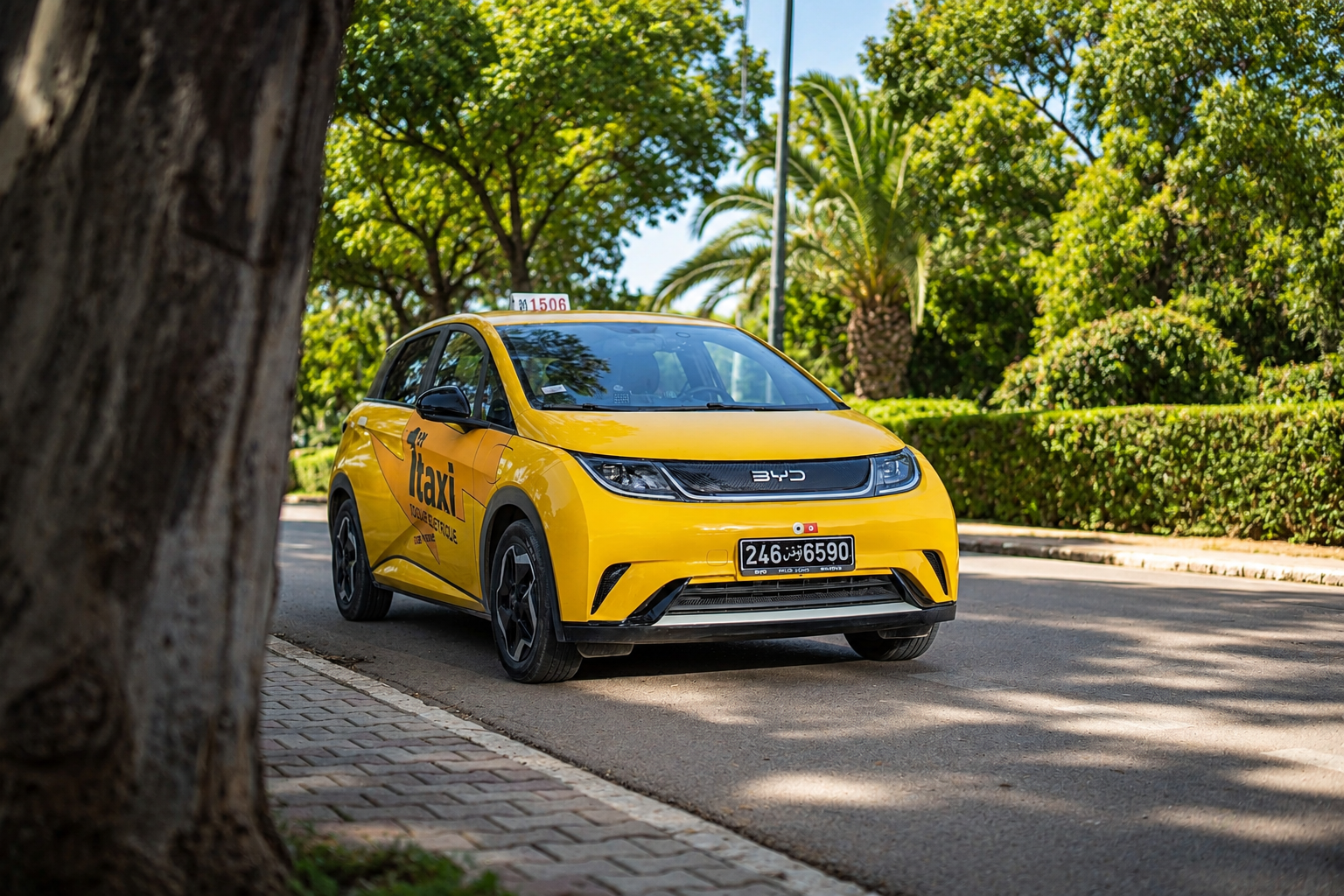
Tunisia is preparing to launch a pilot programme for electric taxis in Bizerte, Sfax and Djerba, according to the National Agency for Energy Management.
Nafâa Baccari, the agency’s director-general, said the programme would assess the economic and operational viability of electric taxis across three areas with different transport conditions.
An individual taxi in Tunisia travels an average of about 400 kilometres a day, according to figures provided by Baccari. He estimated that operating an electric vehicle over that distance would cost around 15 dinars a day, compared with more than 45 dinars for a vehicle powered by petrol or diesel.
The programme forms part of a wider attempt to reduce Tunisia’s dependence on imported fuel and gradually electrify vehicles that cover high daily distances.
The finance law provides a three-point interest-rate subsidy on loans used by taxi drivers and driving schools to purchase electric vehicles. The loans will be offered through the Tunisian Solidarity Bank, with the interest subsidy covered by the Energy Transition Fund.
The agency previously opened applications for a related scheme offering grants of 10,000 dinars to eligible individual taxi drivers in Bizerte, Sfax and the municipalities of Houmt Souk, Ajim and Midoun on Djerba. That programme is supported by the Global Environment Facility and supervised by the United Nations Industrial Development Organisation.
Private electric taxis already operate in Tunisia, although their numbers remain limited. The pilot is intended to provide a more structured test of vehicle costs, charging requirements, range and performance under intensive professional use.
The agency has yet to announce the number of taxis involved, the participating vehicle models or the date on which the first cars will enter service.