
Tunisia trains 61 laboratory technicians to sharpen soil analysis across 24 regional stations
The FAO and Tunisia's agricultural land authority have completed three rounds of technical training for staff at 24 regional soil laboratories, aiming to lift data quality and give farmers more reliable fertilisation guidance under a Japan-funded project.
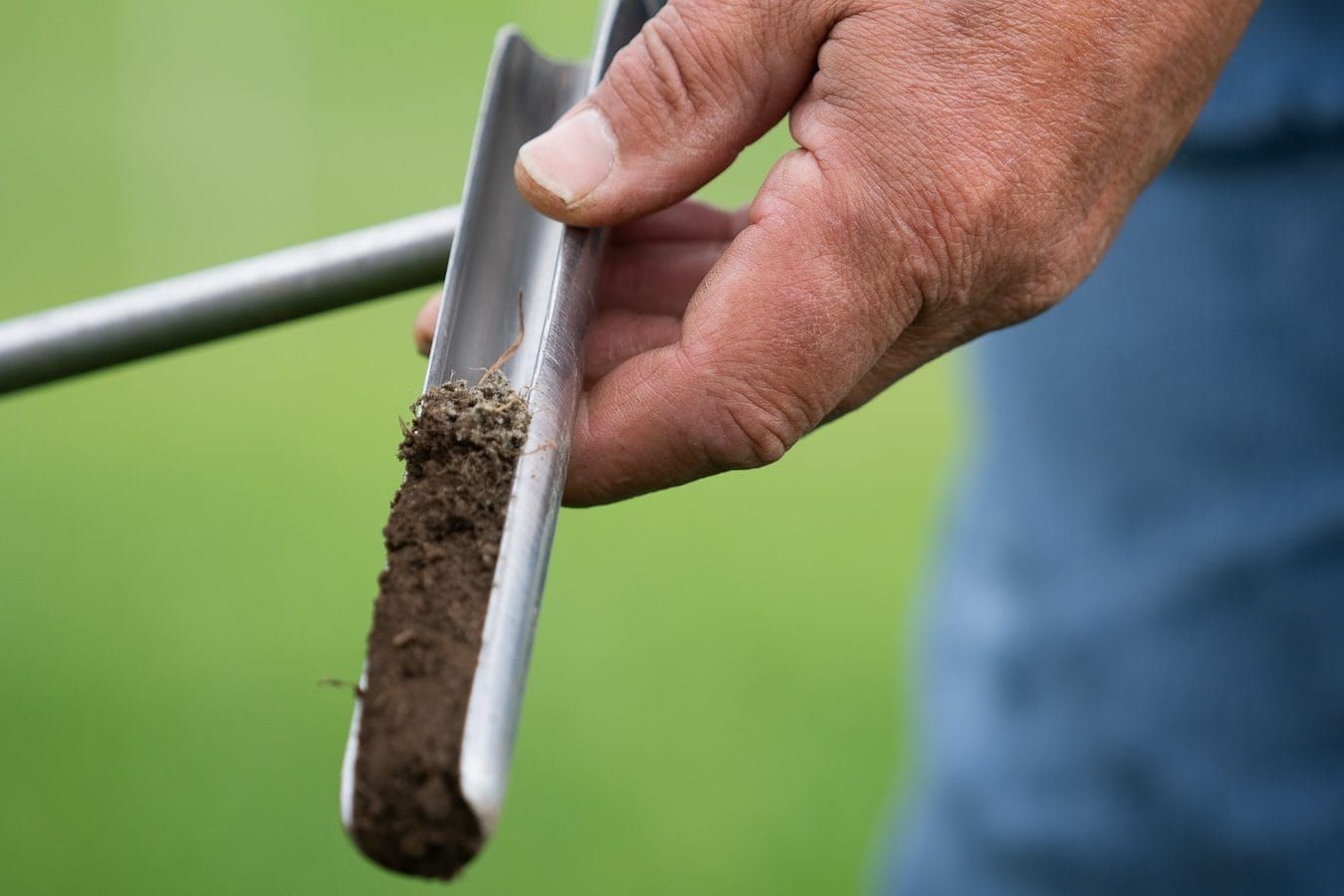
Tunisia's agriculture ministry and the United Nations Food and Agriculture Organisation have trained 61 soil laboratory technicians across the country's 24 regional agricultural stations, in a push to improve the reliability of soil data that farmers depend on for fertilisation decisions.
The initiative is part of the SoilFER project — formally the FAO's programme for enhancing integrated soil-crop management for sustainable food systems in Africa — which is implemented by the FAO with financial support from the Government of Japan, the Direction Générale de l'Aménagement et de la Conservation des Terres Agricoles (DGACTA) said.
Three training sessions have been delivered since April 2026, covering staff from the DGACTA's soil resources directorate and from laboratories under the 24 Commissariats régionaux au développement agricole (CRDA), the regional bodies responsible for agricultural development in each governorate. Of the 61 participants, 43 were women.
What technicians learned
The sessions focused on pre-analytical steps that condition the quality of final results: the reception, identification and registration of samples, followed by drying, sieving, homogenisation, sub-sampling, conservation and storage. Trainers emphasised harmonised analytical protocols aligned with the standards of the Global Soil Laboratory Network, known as GLOSOLAN.
A further cycle of sessions in wet chemistry and an additional module in dry chemistry and spectroscopy are also planned as part of the same programme, according to earlier reporting by La Presse de Tunisie.
The wider soil data drive
The FAO's deputy director of the Land and Water Division, Nora Berrahmouni, said in March that more than 3,000 soil samples had already been collected across Tunisia in close cooperation with national partners, and that building the analytical capacity of laboratories was central to producing reliable diagnostic data.
Rafla Attia, director of soil resources at the DGACTA, said at that stage that the progress reflected the commitment of national institutions and the coordination between the parties involved in the project.
The training programme builds on earlier investments in Tunisia's soil analysis infrastructure. In October 2024 the DGACTA received the country's first mobile soil analysis laboratory, known as Sol Mobile, under the separate ProSol project for the protection and rehabilitation of degraded soils, carried out in partnership with Germany's Federal Ministry for Economic Cooperation and Development and the Deutsche Gesellschaft für Internationale Zusammenarbeit (GIZ). That unit was deployed primarily in the north-west and centre-west of the country.
A further initiative, the NEMESIS project funded by the European Union's Horizon Europe programme, launched in October 2025 and is running until September 2029 with a budget of around 12 million euros. It brings together 37 partners from 12 countries and aims to establish a network of interconnected living laboratories in Cyprus, France, Italy, Spain and North Africa — including Tunisia and Algeria — to test solutions against desertification and improve sustainable land management.
Why it matters
Reliable soil data is the foundation of sound fertiliser advice. Without it, farmers risk over-applying inputs — driving up costs and polluting water — or under-applying them, depressing yields. Tunisia's agricultural sector faces soil degradation, water stress and the compounding pressure of climate change, and the country's food sovereignty goals depend on closing the gap between what the land can produce and what management decisions are based on.
The DGACTA's network of regional laboratories, now being retrained to international standards, represents the primary public channel through which that data reaches the farming sector.