
Tunisia’s cities struggle with chronic shortage of green space
Urban residents have access to less than three square metres of green space per person, while neglected parks and continued construction limit efforts to cool increasingly hot cities.
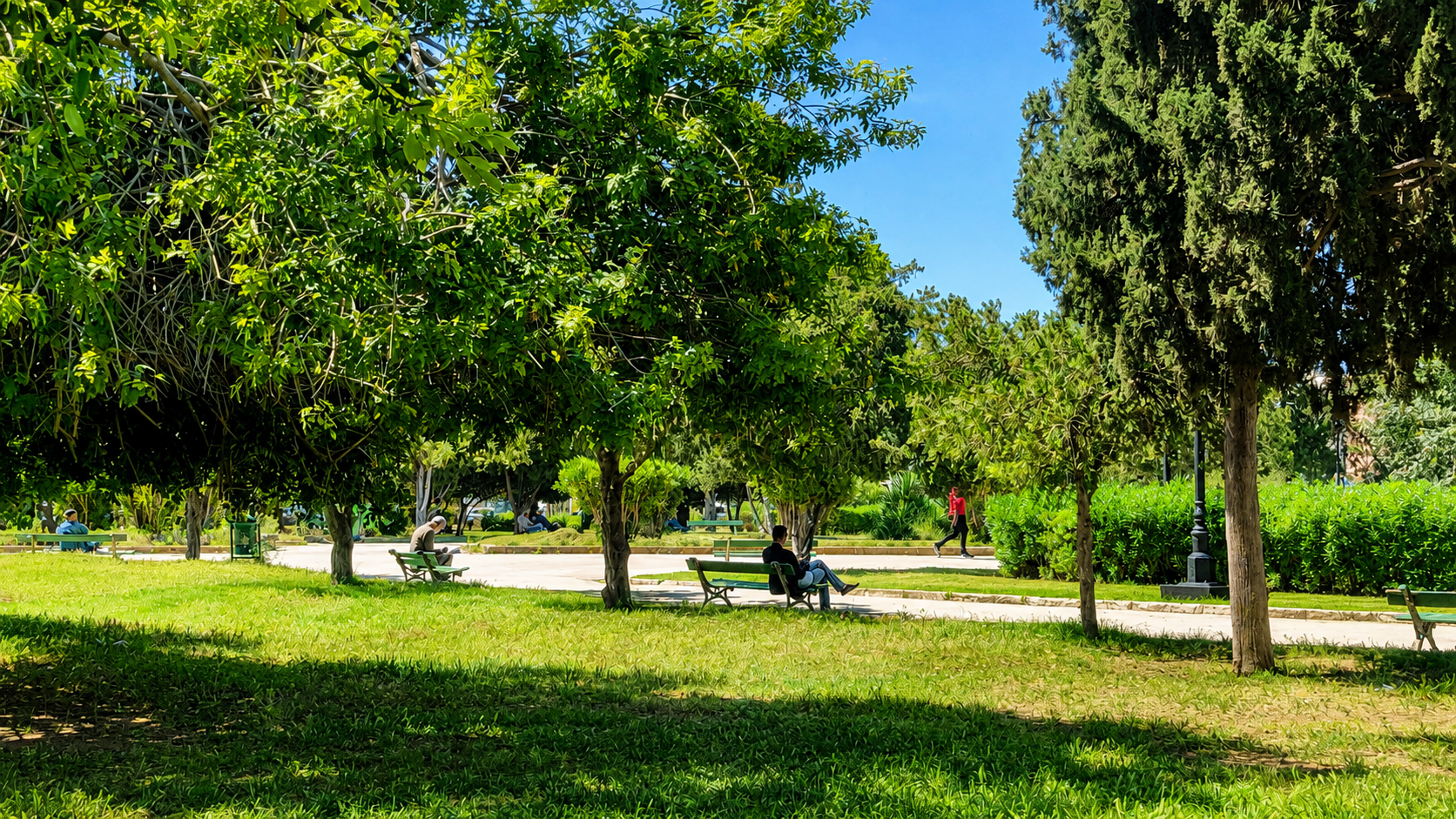
Tunisia's urban tree planting and greening plans are failing to keep pace with city growth and increasingly severe summer temperatures, according to an assessment published by La Presse de Tunisie.
Green space in Tunisian urban areas remains below three square metres per resident, despite the existence of a national strategy intended to increase vegetation in cities.
Public gardens and planted road verges in several cities suffer from poor maintenance. Vacant land that could be converted into parks has instead become informal waste sites in some neighbourhoods.
The shortage is becoming more visible as heatwaves begin earlier and last longer. Trees and planted areas provide shade, lower surface temperatures and reduce the urban heat island effect created by concrete and asphalt.
The report contrasted Tunisia's limited progress with programmes in European cities that are removing paved surfaces, planting trees and converting school grounds and rooftops into green areas.
Controversy has also grown over the removal of mature trees. Residents and the Association of Friends of Carthage recently protested against tree felling operations in Carthage and called for the work to be halted pending an official explanation.
The assessment noted that planting campaigns alone deliver limited benefit when municipalities lack the resources to water, protect and maintain young trees, and that Tunisia's prolonged drought requires cities to choose species capable of surviving with less water.
The national strategy has yet to produce a publicly accessible timetable showing how much new green space each municipality is expected to create.