
Tunisia's parliament questions economy minister on the 2026–2030 development plan as committees begin formal review
All permanent committees of the Assembly of the Representatives of the People convened on Tuesday to hear Economy and Planning Minister Samir Abdelhafidh on the draft five-year development plan, opening a process that must conclude in a plenary vote before the law can be adopted.
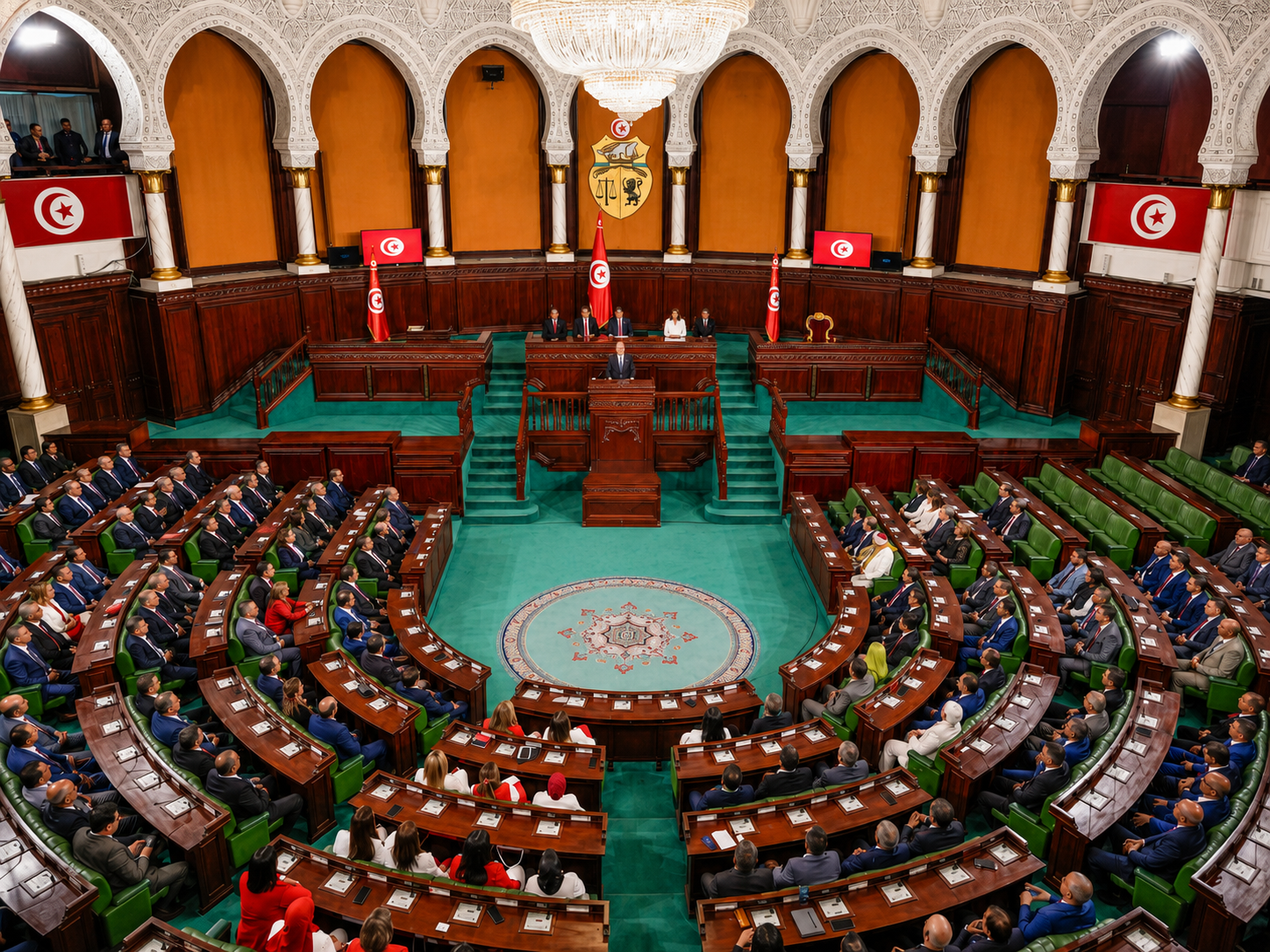
Tunisia's Assembly of the Representatives of the People convened all its permanent committees in a joint session on Tuesday 30 June to hear Economy and Planning Minister Samir Abdelhafidh present the draft 2026–2030 development plan, opening the formal parliamentary phase of a review process that must end in a full plenary vote before the five-year roadmap can become law.
The session, held in the Radhia Haddad chamber from 10:00, brought together all standing committees of the assembly in a unified meeting , chaired by the Speaker or one of his two deputies, in accordance with a schedule to be finalised for subsequent hearings involving other government members.
Once all hearings are complete, the committees will consolidate their observations into a single synthesis report and submit it to the ARP Bureau, which will then schedule a dedicated plenary session to examine the draft law approving the 2026–2030 development plan.
The ARP Speaker had chaired a preparatory methodology meeting the previous week at which the proposed working method for examining the draft plan was presented and discussed. The preparatory sessions mark a significant stage in the parliamentary review of the plan, designed to allow the various committees to study its sectoral priorities before the next phases of discussion and adoption.
A bottom-up plan, five years in the making
Prime Minister Sarra Zaafrani Zenzri chaired a Cabinet meeting on Monday 15 June 2026 at which a bill approving the 2026–2030 development plan was among the items on the agenda, formally referring it to parliament for review.
The plan was prepared using a bottom-up approach — a first in Tunisia's planning history — starting at the local level, moving to regional and district tiers, and culminating at the national level, drawing on reports from local, regional and district councils to ensure coherence between social and economic policies and the development projects proposed by elected bodies.
The groundwork involved 3,317 working sessions across 279 local councils and 154 sittings of the 24 regional councils, as well as 12 sessions within the five interregional councils, producing more than 35,000 project proposals, 90.6 percent of which are strictly local in scope.
Strategic priorities and growth targets
The plan is structured around three levels — strategic orientations, public policies and concrete projects — with five broad orientations: inclusive social development; reduction of territorial disparities; economic modernisation and infrastructure; reinforcement of energy, water and food security alongside ecological transition; and modernisation of public services and the institutional framework.
The plan includes a series of reforms and investment programmes intended to ensure coherence among development policies, strengthen the balance between economic growth and social and regional justice, and consolidate the social dimension as a permanent strategic choice of the state, including reducing poverty and vulnerability rates, strengthening social protection systems, and guaranteeing equal opportunities in education, healthcare, employment and housing.
The Prime Minister has highlighted global trends shaping the plan's framework — accelerated digitalisation, artificial intelligence, energy transition, climate and environmental challenges, and growing reliance on renewable energy — with the plan directing investment towards clean technologies, the green and circular economy, and environmental protection.
The government has set a national objective of integrating 35 percent renewable energy into Tunisia's energy mix by 2030.
The plan targets a growth rate of around 5 percent by the end of the period, a trajectory the minister has described as ambitious but achievable, provided there is full mobilisation of the national economy's potential and an acceleration of structural reforms, with growth performance directly tied to the depth of those transformations.
Economic backdrop
GDP growth reached 2.6 percent in 2025, up from 1.4 percent in 2024, driven mainly by strong performance in agriculture and manufacturing industries. The IMF projects real GDP growth of 2.1 percent for 2026.
Unemployment stood at 15.2 percent in the fourth quarter of 2025, but remains high among youth at 38.4 percent, women at 22.4 percent, and university graduates at 24.9 percent. Around 18 percent of the population lives below the poverty line, with significant regional disparities.
Foreign direct investment increased by more than 30 percent in 2025 compared with the previous year. The plan is accompanied by major legislative reforms, including full digitalisation of investment procedures through a new National Investment Platform and revisions to legislation governing startups, foreign exchange, hydrocarbons and mining.
The plenary session at which the ARP will vote on the plan has not yet been scheduled; the date will be set once the committee synthesis report reaches the ARP Bureau.