
UGTT warns that CNSS minimum pensions frozen at 260 dinars, as thousands of retirees are shut out of uprating
Tunisia's main trade union has condemned a decision by the National Social Security Fund to exclude holders of minimum pensions, overseas-affiliated workers and all those who retired after January 2026 from recent increases, warning the omission will deepen poverty and inequality.
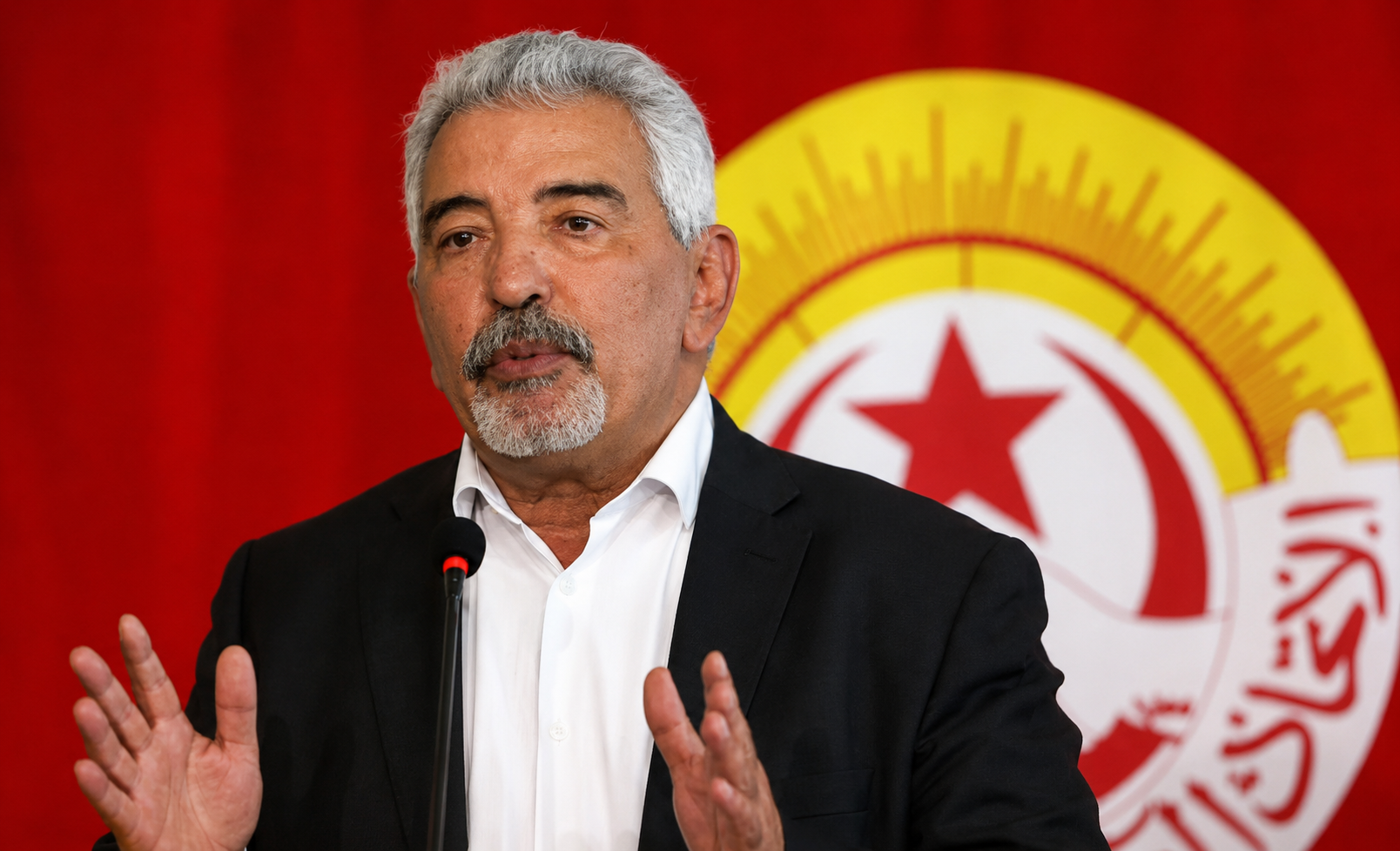
UGTT trade union warned on Friday that thousands of private-sector retirees have been excluded from a recent pension uprating, with their minimum payments frozen at 260 dinars a month — a level set in January 2025 and left unchanged while broader pension increases were applied to other categories.
The Social Protection and Informal Sector Department of the Tunisian General Labour Union (UGTT) said in a communiqué that the decision by the National Social Security Fund (CNSS) not to raise the minimum pensions, which do not exceed 260 dinars a month for thousands of retirees, would worsen precarity for a significant segment of society and deepen inequality and poverty.
The union said holders of minimum pensions were not the only group shut out of the uprating, with the exclusion also covering members working abroad and those who retired on or after 1 January 2026.
The department also noted that some minimum pensions paid by the National Pension and Social Insurance Fund (CNRPS) had been reduced, in what it described as having "no logical or legal justification or explanation." The CNRPS covers public-sector and state-enterprise workers, while the CNSS administers pensions for private-sector employees and the self-employed.
What the uprating did — and did not — cover
The Tunisian government published a package of wage and pension decrees in the Official Gazette on 30 April 2026. The decrees set binding figures for workers and retirees through 2028, with retroactive effect from 1 January 2026. The SMIG increase was designed to extend automatically to CNSS pensions, with retirees whose pensions are indexed to the minimum wage set to receive proportionate upward revisions.
In practice, the uprating did not reach those on the lowest payments. Despite a general increase of around 5 percent in base pensions, that rise was not felt by minimum-pension recipients because the increase was offset by a reduction in the state supplement, leaving their net income broadly unchanged. The 2026 Finance Law provides for an increase in the household allowance from 260 to 280 dinars, retroactive to January 2026, along with a gradual adjustment of pensions and payment of arrears subject to budgetary availability.
The 260-dinar floor itself was the outcome of state top-ups introduced in recent years. Low pensions had risen from 180 to 240 dinars in July 2024, then to 260 dinars in January 2025. The state intervened, particularly after the Covid-19 crisis, to support low pensions through supplementary allocations, bringing the effective minimum to around 260 dinars by covering the difference with the household assistance allowance.
Overseas affiliates and new retirees also excluded
The UGTT's communiqué extended its criticism beyond minimum-pension holders. Those excluded include CNSS affiliates working abroad as well as people who retired from 1 January 2026 onward — the date from which the new decrees are meant to take retroactive effect, but which in practice has left the most recent cohort of retirees outside the revision's scope, the union said.
No response from the CNSS, the CNRPS or the Ministry of Social Affairs had been issued at the time of publication. The Times of Tunis sought comment from the CNSS.
The UGTT's intervention comes weeks after the federation's general secretary for retirees, Abdelkader Nasri, acknowledged in May that no formal consultative framework had yet been established with the bodies concerned regarding CNSS retirees, and that it remained impossible at that stage to confirm any increases or payment of arrears for CNSS affiliates.