
Washington's Libya plan buys quiet and calls it peace
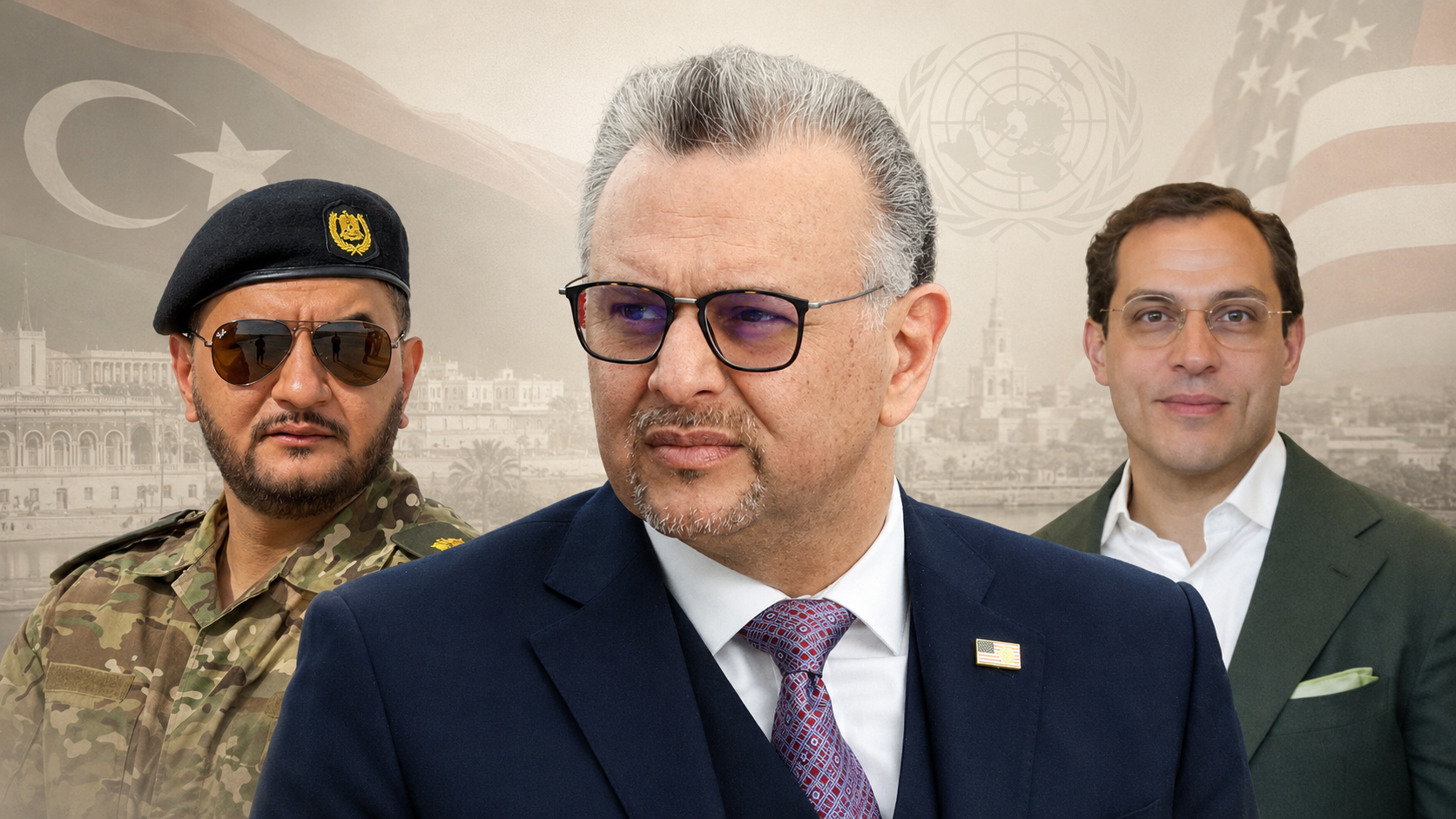
Libya's three main political bodies signed a trilateral agreement on 18 June committing the country to presidential and parliamentary elections before 17 February 2027 and, at last, a permanent constitution. The architect of the moment is Massad Boulos, the US president's senior adviser for Arab and African affairs, a Lebanese American businessman who arrived on the file with no diplomatic baggage and has moved faster in eighteen months than the United Nations process moved in eight years. Washington has offered to host the signing ceremony of a final deal in the president's presence.
After fifteen years of transitional arrangements, movement of any kind feels like achievement. The question worth asking, especially from Tunis, is what exactly is being built.
What the plan gets right
Credit where due. The Boulos initiative works with power as it actually exists rather than as conference communiqués wish it existed. Its confidence building measures are the most concrete Libya has seen: a unified national budget of 30 billion dollars agreed in April, the first in thirteen years; joint military exercises in Sirte under AFRICOM's supervision with forces from both camps; a joint security operations room linking east and west. These are harder currency than anything the Berlin process produced, and 109 of the House of Representatives' 167 members have reportedly endorsed the American track.
American weight also changes the spoiler calculus. Turkey, Egypt, the Emirates and Russia have each been able to veto previous settlements through their clients. A deal underwritten personally by the White House raises the price of sabotage for all of them.
What the plan gets wrong
The mechanics, leaked in pieces since secret meetings in Rome last September and Paris in January, reveal the design flaw. The proposal would install Saddam Haftar, son and heir of the eastern-based General Khalifa Haftar, at the head of a new Presidential Council with executive powers, with Ibrahim Dbeibeh, nephew and adviser of the incumbent prime minister, leading a unified government, and military command divided between the two families along geographic lines. Saddam Haftar has already been received by the secretary of state in Washington.
Call this what it is: the conversion of a political conflict into a dynastic settlement. Unification on these terms legitimises hereditary rule by two family networks whose principal qualification is control of armed men and oil money. The Presidential Council and the High Council of State have rejected it publicly, and the objection runs deeper than institutional jealousy. A transition that ends in duopoly has abandoned the premise that Libyans get to choose who governs them.
The second flaw is old and well documented. Every Libyan settlement that ratified the battlefield rather than constraining it has collapsed within roughly three years. Skhirat in 2015 divided institutions among the armed and produced the war of 2019. The 2020 arrangements produced two governments by 2022. Deals built on elite accommodation invite every excluded faction to demonstrate its relevance by force, and Libya's excluded factions are numerous and armed.
The third flaw is the incentive structure. Washington's declared interest is doubling Libyan oil production to 3 million barrels per day by 2030, with Chevron already returning and other American majors circling. When the mediator's success metric is barrels, elections become a formality to be scheduled and managed rather than a genuine transfer of power. Boulos insists the transitional period will last two to three years at most. Libya's transitional periods have all carried similar expiry dates.
The view from next door
Tunisia has more riding on this than any commentary from Washington acknowledges. A Libya stabilised as a family duopoly might still deliver what Tunis needs most: open borders, returning trade, remittance flows, and an end to the periodic spillovers of weapons and fighters. Quiet has value, and this corner of the region has learned to price it.
But Tunisia has also lived beside every previous version of Libyan quiet and watched each one detonate, paying the bill in border closures, refugee waves and lost commerce. The pattern is consistent enough to be predictive: settlements that reflect the balance of force last exactly as long as the balance of force. The Boulos plan may deliver a signing ceremony in Washington and a genuine pause. Peace is a different product, and on the current design, nobody has ordered it.