
Yuan Gains Ground as Central Africa Rethinks Its Reserves
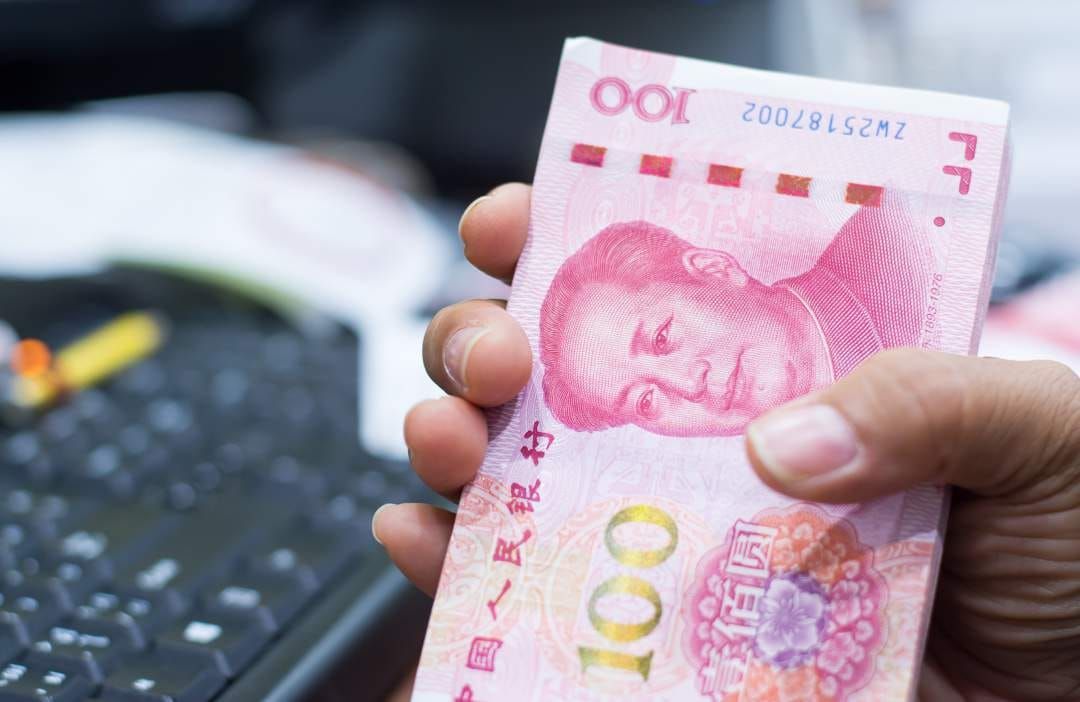
The Bank of Central African States (BEAC) is considering adding the Chinese yuan to the composition of its foreign exchange reserves, in a move aimed at diversifying assets and facilitating trade with China.
The announcement was made on July 3 by BEAC Governor Yvon Sana Bangui, who described the option as still under review but strategically important in the context of foreign currency diversification.
In practical terms, the move would allow the central bank to hold part of its assets in yuan, alongside reserves currently denominated in euros, U.S. dollars and gold. These official reserves are used to finance external trade, settle international commitments and intervene in foreign exchange markets.
BEAC covers the economies of the CEMAC zone: Cameroon, Congo, Gabon, Equatorial Guinea, the Central African Republic and Chad, as well as closely interconnected regional economies.
At this stage, no decision has been made on the timeline or implementation process. However, the BEAC governor said a visit to his counterpart at the People’s Bank of China is being considered to deepen discussions and explore the conditions for stronger cooperation between the two institutions.
Reducing Costs and Friction in CEMAC–China Trade
For BEAC, the issue is mainly operational. China is now the subregion’s leading trading partner, making financial flows between the two sides particularly important.
Under current conditions, a transaction between a CEMAC company and a Chinese supplier often goes through several currency conversions: from the CFA franc to the euro, then to the U.S. dollar, before finally being converted into yuan. This complex process creates additional exchange costs and exposes operators to fluctuations in intermediary currencies.
Adding the yuan to BEAC’s reserves could help bypass some of these intermediaries. By holding liquidity directly in Chinese currency, financial institutions in the region could reduce conversion fees, shorten settlement times and limit exposure to foreign exchange volatility.
The Yuan’s Growing International Role
For China, the objective has been clear for several years: to give the yuan a larger role in international trade. Beijing has sought to gradually reduce reliance on the dollar by developing alternative payment channels and expanding agreements that allow trade to be settled directly in yuan.
More recently, China authorized banks such as Standard Bank and ICBC to facilitate yuan payments across Africa, another step toward strengthening the currency’s role in trade with the continent.
As a result, the yuan is gradually becoming more than just a trading currency. It is emerging as an economic influence tool, as well as a way to simplify and reduce the cost of transactions with China’s commercial partners.