
Zelensky invites Putin to direct talks in open letter as Russia holds its line
Ukraine’s president has proposed a direct meeting with Vladimir Putin and a full ceasefire during negotiations, but Moscow has given no sign it is ready to soften its demands.
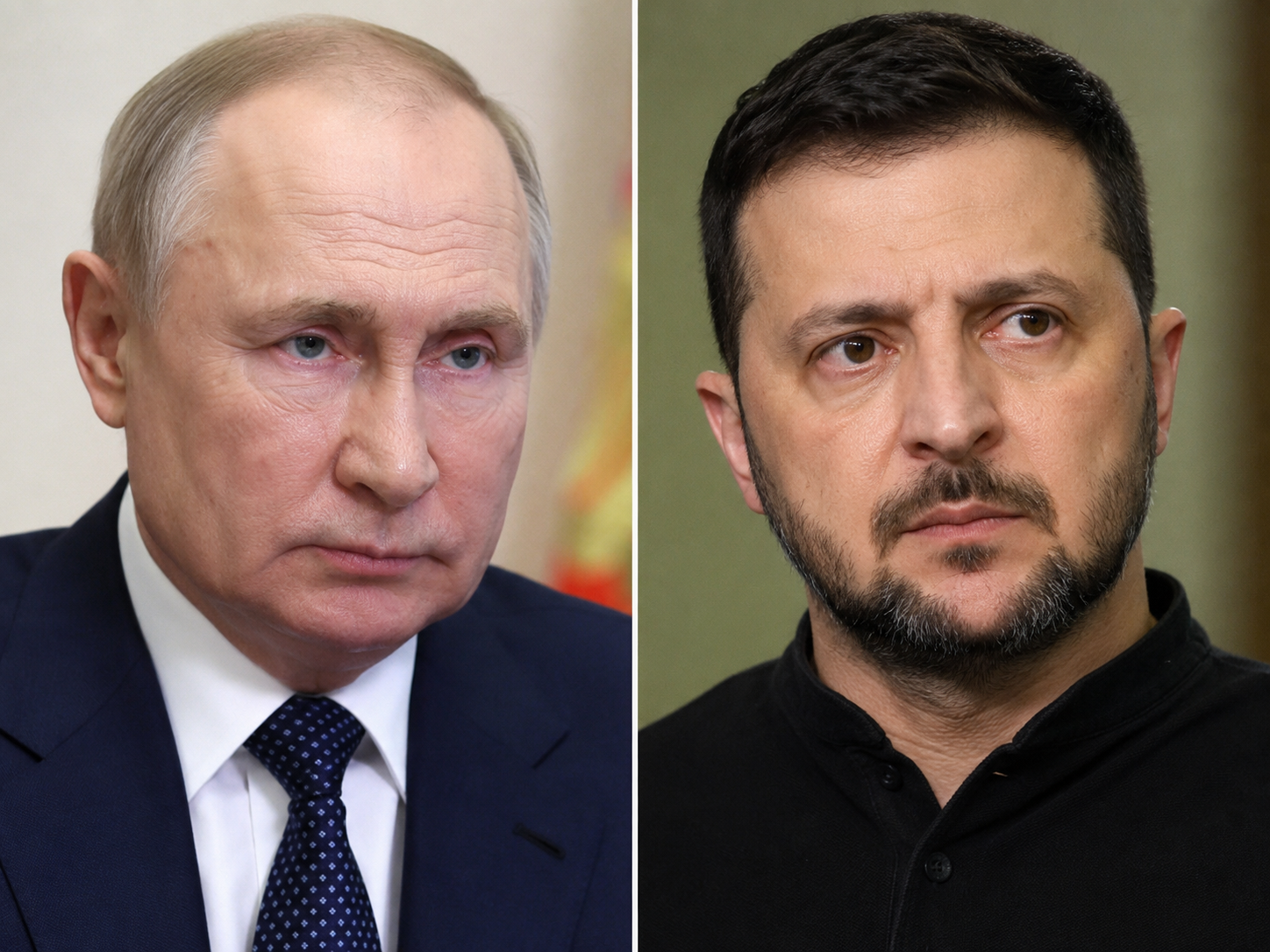
Ukrainian President Volodymyr Zelensky has published an open letter to Vladimir Putin proposing direct talks to end the war, in a move that places new diplomatic pressure on Moscow more than four years after Russia’s full scale invasion.
The letter, published on Thursday, June 4, calls for a face to face meeting between the two leaders and says Ukraine is ready for a full ceasefire during negotiations. Zelensky suggested the talks could take place in a neutral country, naming Switzerland, Turkey or Arab states as possible venues.
“Ukraine proposes ending this war through direct engagement between us,” Zelensky wrote, according to the text published by The Guardian. He said Kyiv was ready to set a clear date for a meeting and argued that waiting for the war in Europe to return to the centre of US attention would be a mistake, a reference to Washington’s current focus on the Iran conflict.
The Ukrainian president also said the United States could monitor a ceasefire if one were agreed. His office said the letter had been shared with other countries, including the United States, and Ukrainian Foreign Minister Andrii Sybiha said it would also be sent through official diplomatic channels.
The timing was deliberate. Zelensky’s appeal was published as Putin was meeting foreign media editors in St Petersburg, where Russia is hosting its annual international economic forum. The event is normally used by the Kremlin to project confidence in Russia’s economy and political direction.
The Kremlin confirmed on Friday, June 5, that Putin had been briefed on the letter. Spokesman Dmitry Peskov said the Russian president was aware of the message and was expected to address it publicly.
Putin’s broader comments in St Petersburg showed no major shift in Russia’s position. He said Russia was ready for peace only on the basis of compromises discussed with US President Donald Trump and insisted that Ukraine would also have to compromise. He also claimed Russian forces were advancing on the battlefield, including in Donetsk and Zaporizhzhia.
Russian nationalist commentators and pro war bloggers dismissed Zelensky’s letter as a public relations move. Reuters reported that several influential Russian nationalist voices described it as an attempt to stir domestic discontent in Russia rather than a serious peace proposal. Some argued that talks would be meaningless unless Ukraine accepted Moscow’s territorial demands, including over Donbas.
For Kyiv, the letter serves several purposes. It presents Ukraine as ready for talks, puts the responsibility for refusing a meeting on Putin, and appeals over the Kremlin’s head to a Russian public facing inflation, fuel shortages and the strain of Ukrainian long range strikes. Zelensky warned that Ukraine would continue fighting if Moscow did not choose negotiation.
The move also reflects a changing diplomatic environment. Trump has pushed for a settlement to the war but has been increasingly absorbed by the Iran crisis. European governments remain supportive of Ukraine, while also facing questions over how long the war can continue and how to sustain military and financial aid.
Ukraine has tried to enter any future talks from a stronger position. In recent days, Zelensky has argued that Ukrainian strikes inside Russia allow Kyiv to negotiate more equally. His top officials have also suggested that a peace deal by winter could be possible if diplomacy resumes seriously.
The main obstacle remains the gap between the two sides’ conditions. Ukraine wants a ceasefire and direct talks without accepting Russia’s control over occupied territory as permanent. Russia continues to demand recognition of its territorial claims and limits on Ukraine’s future security alignment.
Zelensky’s letter does not resolve that gap. It does, however, move the question of direct talks back into public view. Moscow has acknowledged the message but has not accepted the proposed neutral venue or a ceasefire on Kyiv’s terms.
The next test will be whether Putin gives a formal response beyond the Kremlin’s initial acknowledgement. If Moscow refuses the invitation or insists on preconditions Ukraine cannot accept, the letter may become less a path to talks than a record of where diplomacy stalled.